普洱科目四英文考试
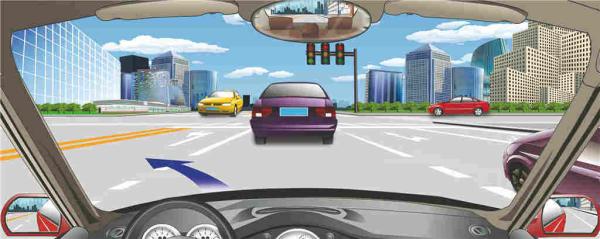
1、When a motor vehicle turns left at this intersection the driver should change to the left lane in advance by the guide arrow.
A. Right
B. Wrong
Answer:A
2、When the rear wheels of a motor vehicle skid sideways on a muddy road, the driver should turn the steering wheel in the opposite direction of the side skid.
A. Right
B. Wrong
Answer:B
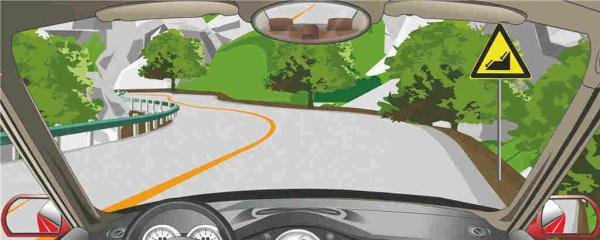
3、The sign on the right side warns of an abrupt downhill section ahead.
A. Right
B. Wrong
Answer:B
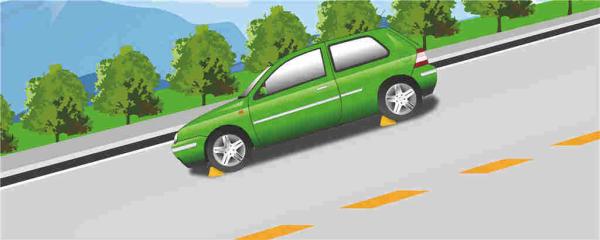
4、When parking for a long time on a downward slope due to breakdown on the road, drivers should use this method to stop up wheels.
A. Right
B. Wrong
Answer:A
5、Motor vehicle drivers may reverse at an intersection.
A. Right
B. Wrong
Answer:B
6、The sign on the right warns of a ferry crossing 100 meters after turning right at the intersection ahead.

A. Right
B. Wrong
Answer:A
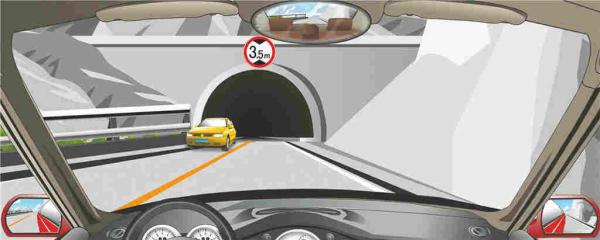
7、The sign above the tunnel indicates a height limit of 3.5 meters on the road ahead.
A. Right
B. Wrong
Answer:A
8、Mr. Hao drove a heavy dump truck with 84.84 tons of cargo (truck allowing for 15.58 tons). When he drove on the No 262 provincial highway in Luanxian County, at the spot of 34 kilometers mark by 623 meters, his truck overturned onto the sideway after a rear-end collision with another truck in front carrying 45.85 tons of cargo(a truck allowing for 1.71 tons). As a result of this accident, 19 people were killed and 17 injured. What is the common illegal act of the two drivers?
A. Speeding
B. Overloaded
C. Fatigued driving
D. Driving after drinking
Answer:B
9、Mr. Zou drove a large sleeper coach (capacity 35 people and carrying 47 passengers). At the spot of 938 kilometers of the Jinggang ao Expressway, large amounts of dangerous chemicals in the coach blew up, killing 41 people and injuring 6. What are the main illegal acts in this case?
A. Carrying more passengers than permitted
B. Passengers carried flammable and explosive substances
C. Speeding
D. Illegal parking
Answer:AB
10、When passing another vehicle on a foggy day, what should drivers do?
A. Slow down and pass slowly
B. Maintain a safety distance
C. Properly use lamps
D. Drive at a high speed
Answer:ABC
11、The sign in front indicates the name and number of the highway.
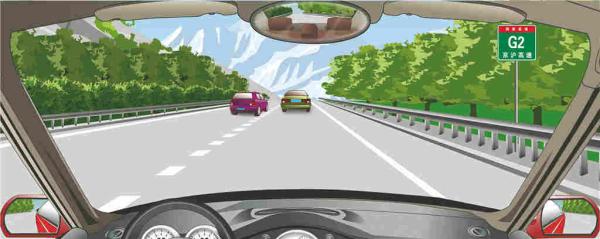
A. Right
B. Wrong
Answer:A
12、When driving on an expressway, drivers should not frequently change lanes.
A. Right
B. Wrong
Answer:A
13、When a motor vehicle deviates from the normal direction due to steering failure and an accident is unavoidable, what should the driver do?
A. Apply emergency brake
B. Immediately steer and adjust
C. Immediately steer to the side where there is no obstacle and evade
D. Immediately steer to the side where there is an obstacle and evade
Answer:A
14、When a motor vehicle leaves an expressway, which of the following lamp should be turned on?
A. The left-turn indicator
B. The right-turn indicator
C. The hazard warning lamp
D. The headlamp
Answer:B
15、When driving onto the left lane, motor vehicle drivers are allowed to make a U-turn.
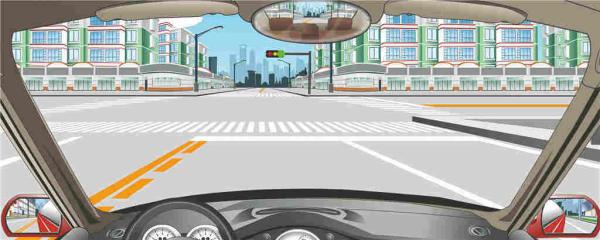
A. Right
B. Wrong
Answer:A
16、Under such circumstances, what should be done by motor vehicle drivers in order to yield to the pedestrians politely?
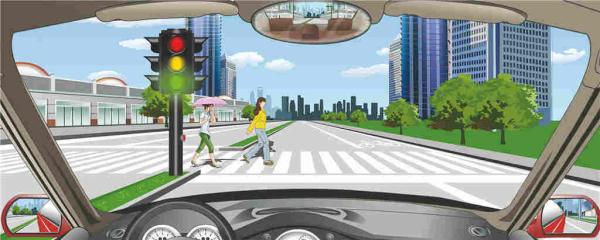
A. Set off after pedestrians pass
B. Set off and bypass in front of the pedestrians
C. Sound the horn to warn the pedestrians to yield
D. Set off and approach the pedestrians slowly
Answer:A
17、Drivers are not allowed to drive on or across these filled-in slanted yellow lines.
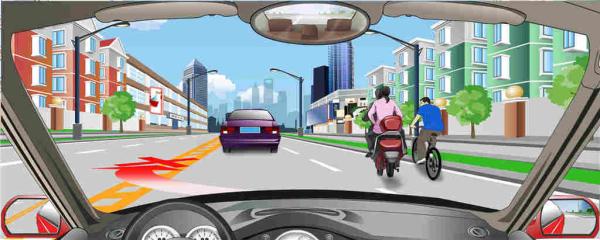
A. Right
B. Wrong
Answer:A
18、The sign indicates no overtaking on the section ahead.
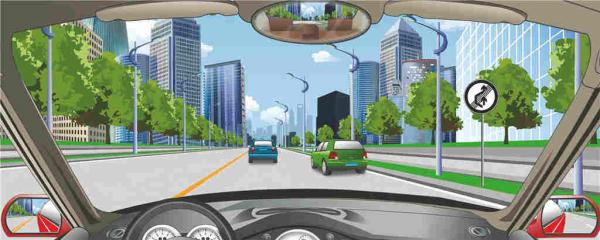
A. Right
B. Wrong
Answer:B
19、A correct measure to avoid tire burst of motor vehicles is to lower the tire pressure.
A. Right
B. Wrong
Answer:B
20、Which lamp should be used when motor vehicles pass through an intersection at night where there is no traffic light signal?
A. High-beam
B. Low-beam
C. Hazard lamps
D. High-beam and low-beam should be used alternatively
Answer:D