阿坝2026英文驾考科目四
1、Which of the following measures should be taken first when rescuing a wounded person suffering blood loss?
A. Observe
B. Dress the wounds
C. Stop bleeding
D. Inquire
Answer:C
2、Motor vehicle drivers may make a U-turn in this area as long as it will not affect the passing of pedestrians.
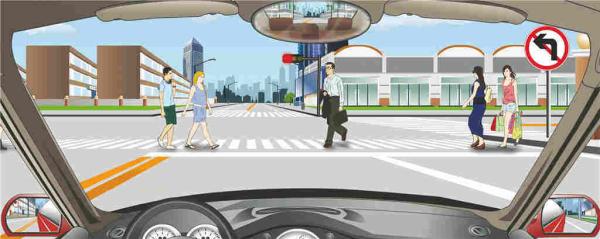
A. Right
B. Wrong
Answer:B
3、Under such circumstances, the motor vehicle driver should voluntarily reduce speed and let the vehicle behind overtake.
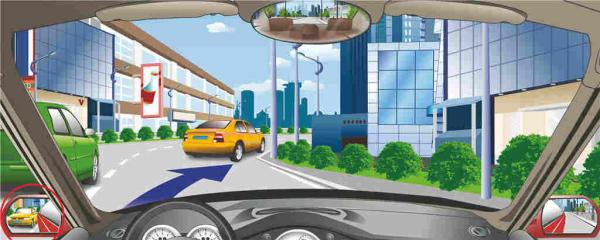
A. Right
B. Wrong
Answer:A
4、What is the function of ABS during emergency braking?
A. Shortening the braking distance
B. Keeping steering capacity of the motor vehicle
C. Relief the braking inertia
D. Controlling directions automatically
Answer:B
5、When encountering this situation in a residential area the driver should speed up and pass in front of the bicycle.
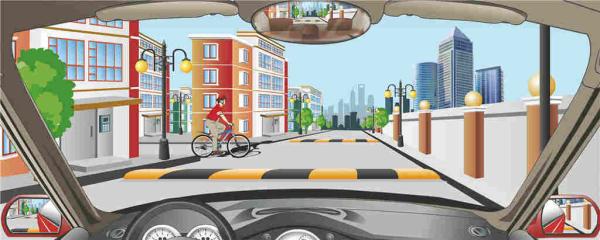
A. Right
B. Wrong
Answer:B
6、When rescuing a wounded person suffering blood loss in an emergency, it is necessary to first stop the bleeding by compression before other treatments are taken in accordance with the conditions of bleeding.
A. Right
B. Wrong
Answer:A
7、When there is a braking failure on a downhill road the driver should change the gear to one position or two positions lower, and control the speed by taking advantage of the braking role of the engine.
A. Right
B. Wrong
Answer:A
8、What should motor vehicle drivers do under the circumstance shown in the flash?
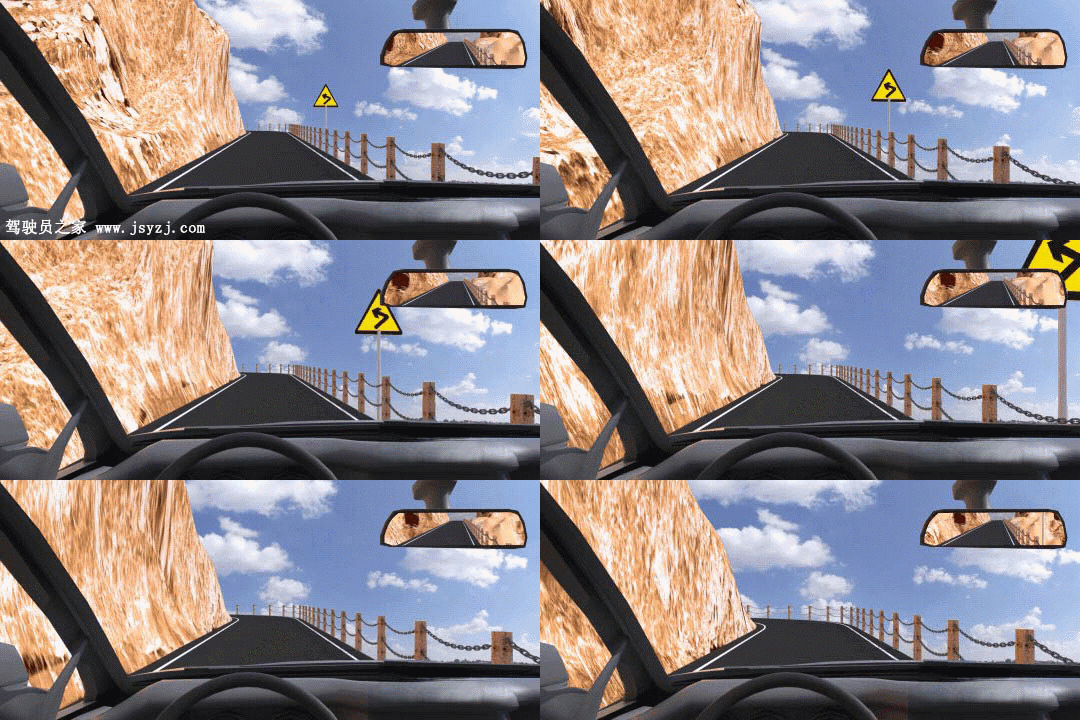
A. Drive by borrowing the opposite lane
B. Brake suddenly and pass through at a lower speed
C. Drive by the outer side of the curve
D. Reduce speed fully and drive by the right side
Answer:D
9、When a motor vehicle catches fire, the driver should manage to park the vehicle in an open place far away from urban areas, buildings, trees, other motor vehicles and flammable materials.
A. Right
B. Wrong
Answer:A
10、How to pass the intersection when running straight
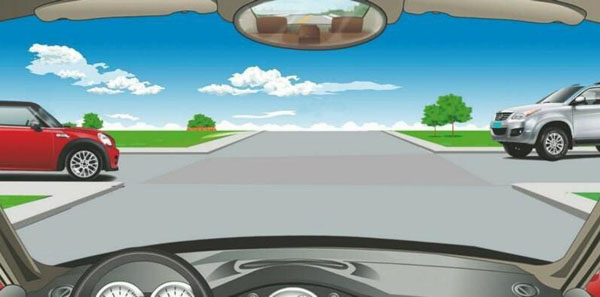
A. turn on the hazard lights and pass
B. directly speed up and pass straight
C. yield to the vehicle from the right road
D. yield to the vehicle from the left road
Answer:C
11、When there is a sudden braking failure on the road, what should be done by the driver?
A. Firmly holding the steering wheel and controlling the direction
B. Immediately changing to a low gear to reduce speed
C. Using the stopping brake to reduce speed
D. Turning on the hazard lamps
Answer:ABCD
12、When the windscreen of a motor vehicle on the highway is cracked by flying rocks or debris which makes visibility poor, the driver should reduce speed gradually, turn on the hazard warning lamps, drive to a place where it will not obstruct the traffic flow and stop there.
A. Right
B. Wrong
Answer:A
13、The sign on the right warns of a non-motor vehicle lane.
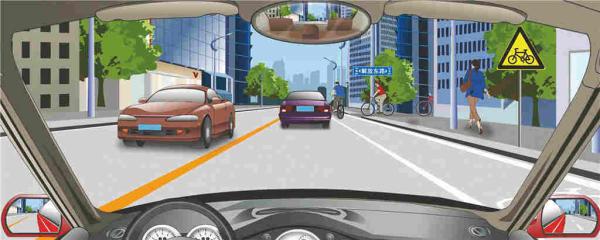
A. Right
B. Wrong
Answer:B
14、The sign in front indicates an indoor parking ground 100 meters ahead.
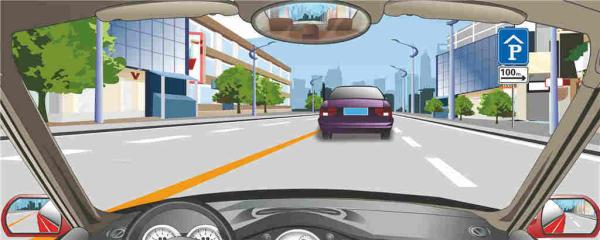
A. Right
B. Wrong
Answer:A
15、The area in the yellow rectangle markings on the right side of the road indicates that temporary stopping is permitted here.
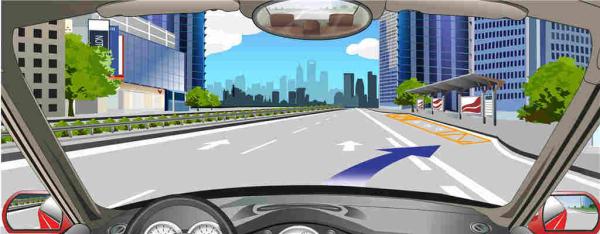
A. Right
B. Wrong
Answer:B
16、The sign on the right indicates that turning right is not permitted at the intersection ahead.

A. Right
B. Wrong
Answer:A
17、Under the circumstances shown in the flash, what should the driver do?
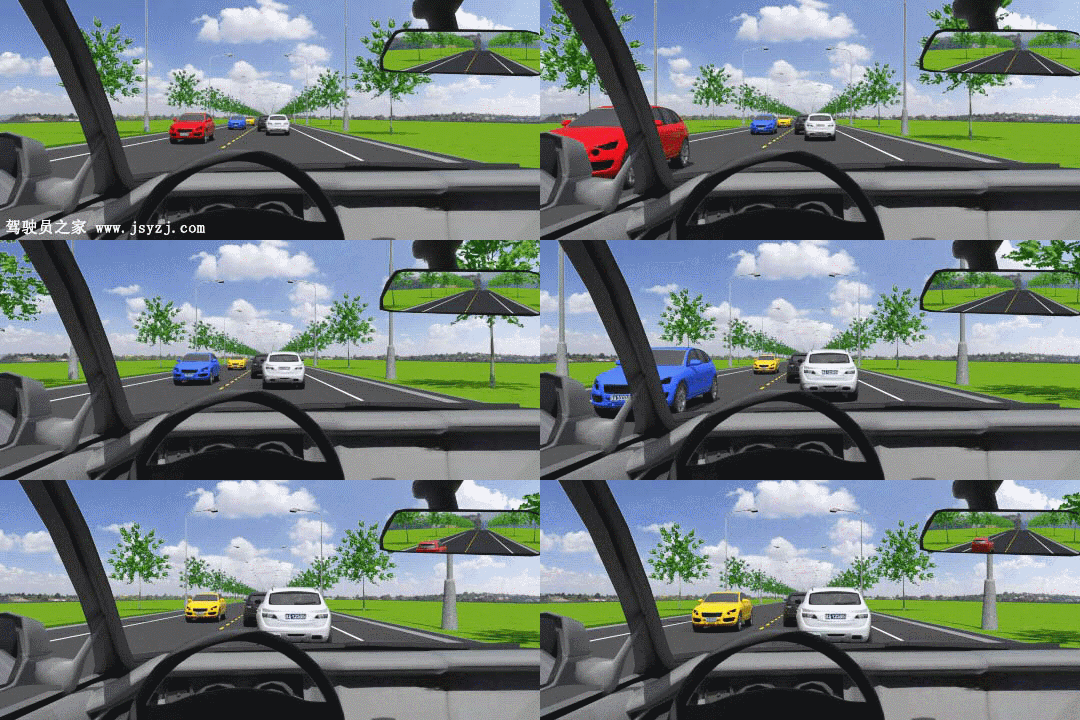
A. Find a chance to overtake the vehicle in front
B. Weave through motor vehicles ahead and pass
C. Reduce speed, stop, and wait in line
D. Sound the horn to urge vehicles in front
Answer:C
18、Which of the following acts are prohibited when passing through a tunnel?
A. Overtaking
B. Stopping
C. Making a U-turn
D. Reversing
Answer:ABCD
19、What should the driver do when seeing these hand signals?

A. Go straight and pass through the intersection
B. Stop in front of the stop-line and wait
C. Turn left at the intersection
D. Drive at a lower speed at the intersection
Answer:C
20、When entering an expressway ramp, which of the following statements is correct?
A. Drivers are allowed to overtake other vehicles
B. Drivers are prohibited from making U-turns
C. Drivers are allowed to stop
D. Drivers are allowed to reverse
Answer:B