中卫科目四英文试题
1、As shown in the flash, what should the driver do when the motor vehicle encounters this situation?
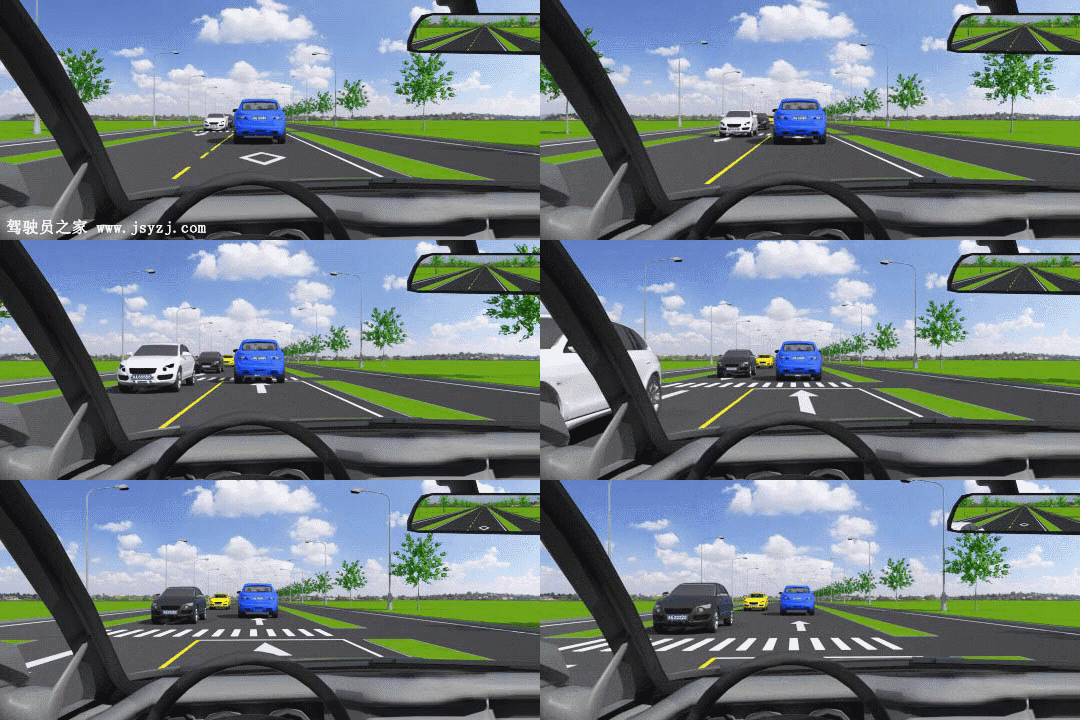
A. Speed up and pass rapidly
B. Stop immediately
C. Sound the horn to indicate the pedestrians to yield
D. Observe the movement of pedestrians and non-motor vehicles before passing
Answer:D
2、What should the driver do when he encounters an oncoming ambulance in the same lane?
A. Keep to the side and reduce speed or stop to yield
B. Drive ahead by occupying another lane
C. Yield by speeding up and changing lanes
D. Drive ahead in the original lane
Answer:A
3、When a motor vehicle skids sideways on a muddy road, the driver should turn the steering wheel in the direction of the rear wheel skidding to properly adjust the direction.
A. Right
B. Wrong
Answer:A
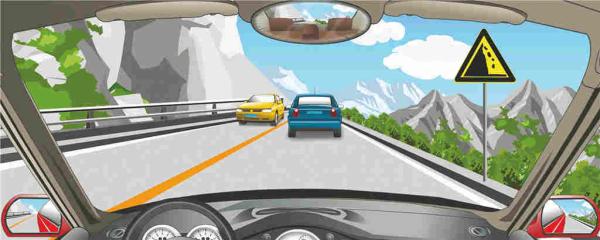
4、The sign on the right warns of a danger from rockfall on the left side.
A. Right
B. Wrong
Answer:A
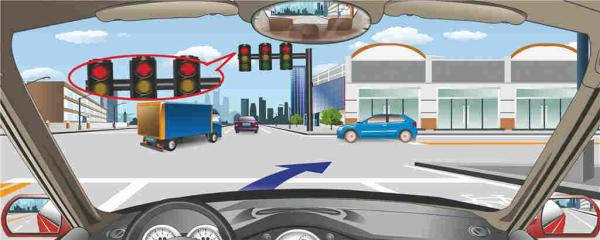
5、The driver may turn right directly at this intersection.
A. Right
B. Wrong
Answer:B
6、Mr. Li drove a large bus with 21 passengers (capacity 35 people). He found the braking system was abnormal on the way but failed to repair it. When running on the Shuangdao Haiwan Bridge at a speed of 50 kilometers per hour (speed limit 40 km/h), the bus fell into the sea due to a braking system failure, killing 13 people and injuring 8. What is the main illegal act committed by Mr. Li?
A. Speeding
B. Fatigued driving
C. Carrying more passengers than permitted
D. Driving a motor vehicle with potential safety hazard
Answer:AD
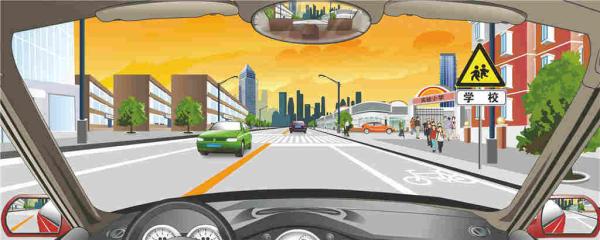
7、When encountering this situation at the gate of a school, the driver should prepare to stop.
A. Right
B. Wrong
Answer:A
8、The distance-ascertaining section of an expressway is used for the drivers to ascertain the safety distance when the speed is 100 kilometers per hour.
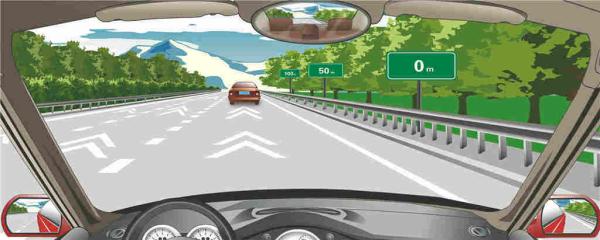
A. Right
B. Wrong
Answer:A
9、Under such circumstances, what should be done by a motor vehicle driver in order to yield out of courtesy?
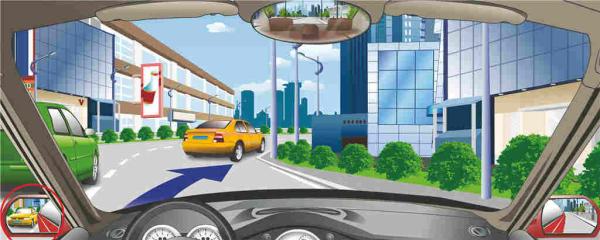
A. Driving at a higher speed
B. Closely following the vehicle in front
C. Driving at a higher speed by the right side
D. Driving at a lower speed by the right side
Answer:D
10、When rescuing a wounded person in coma causing by excessive blood loss, it is necessary to take measures to prevent heat loss.
A. Right
B. Wrong
Answer:A
11、As shown in the flash, the motor vehicle chooses a correct way to pass through the level crossing.

A. Right
B. Wrong
Answer:A
12、When reversing in this condition, in which of the following ways can motor vehicle drivers keep safe?

A. Reverse at a lower speed
B. Voluntarily stop and yield
C. Continuously sound the horn to alert
D. Reverse in a clockwise direction
Answer:B
13、It is a bad habit for a driver to put his left arm on the window of the vehicle or hold the gear lever in his right hand for a long time.
A. Right
B. Wrong
Answer:A
14、When parking for a long time on an upward slope due to breakdown on the road, drivers should use this method to stop up wheels.
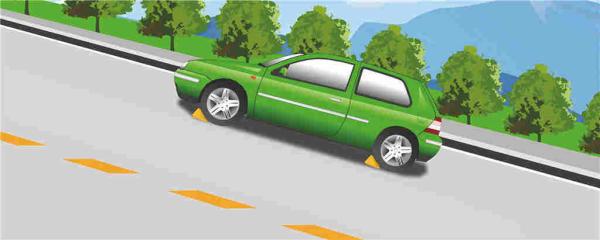
A. Right
B. Wrong
Answer:B
15、Motor vehicle drivers are allowed to overtake on this road section.
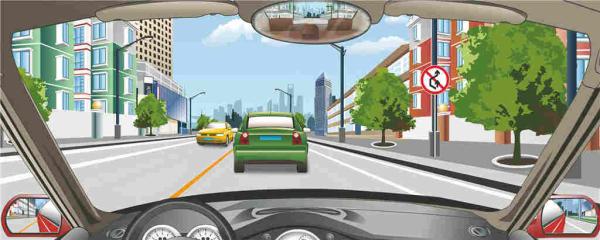
A. Right
B. Wrong
Answer:B
16、The driver should turn left by the left side of the intersection central point.
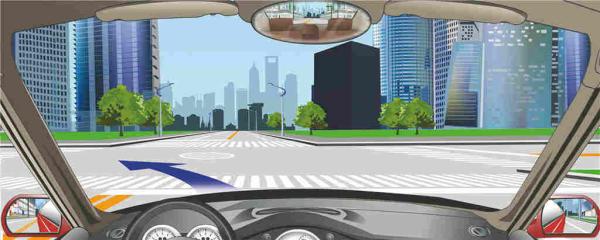
A. Right
B. Wrong
Answer:A
17、Motor vehicle drivers should rush to the top of the slope in this situation.

A. Right
B. Wrong
Answer:B
18、When there is no bandage for rescuing a wounded person, towels, handkerchiefs, bed sheets and stockings can all be used for dressing.
A. Right
B. Wrong
Answer:A
19、If a motor vehicle breaks down or causes a traffic accident on the expressway and cannot run normally the vehicle may be towed by any accompanying motor vehicles.
A. Right
B. Wrong
Answer:B
20、When parking for a long time on a downward slope due to breakdown on the road, drivers should use this method to stop up wheels.
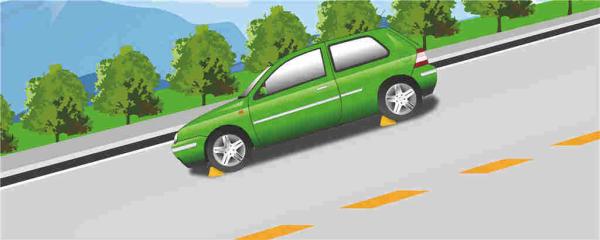
A. Right
B. Wrong
Answer:A