宁波科目四英文考试
1、These traffic police signals indicate that passing is prohibited.
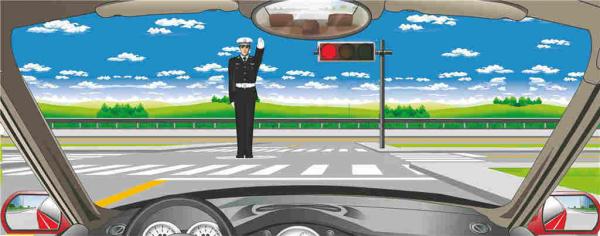
A. Right
B. Wrong
Answer:A
2、What should the driver pay attention to when the motor vehicle on the main road approaches a junction with a feeder road?
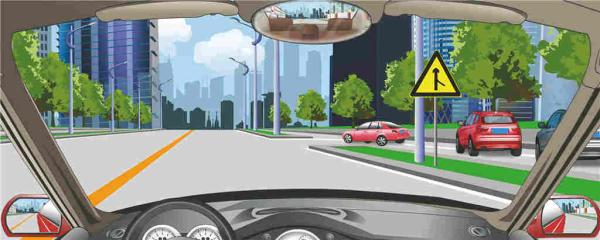
A. Slow down in advance and pay attention to other motor vehicles
B. Maintain the normal speed
C. Sound the horn and pass rapidly
D. Speed up and pass rapidly
Answer:A
3、How will the adhesive force of road change when speed increases on a damp and slippery road?
A. Increase sharply
B. Increase gradually
C. decrease sharply
D. No change
Answer:C
4、The diamond-shaped sign on the road indicates a crosswalk on the road ahead.
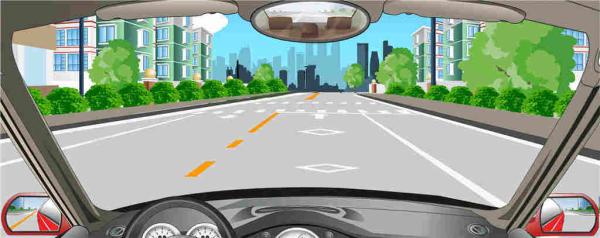
A. Right
B. Wrong
Answer:A
5、Motor vehicles are not permitted to change lanes in this position.

A. Right
B. Wrong
Answer:A
6、The sign on the right indicates that drivers should choose their lanes in accordance withthe directions indicated by arrows.
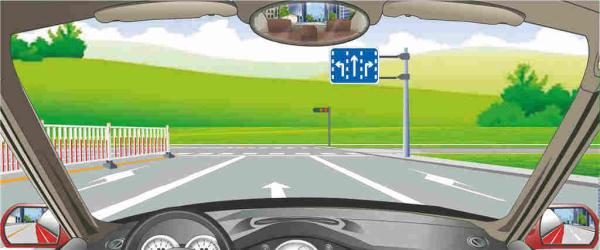
A. Right
B. Wrong
Answer:A
7、As shown in the flash, the driver?ˉs act is correct.
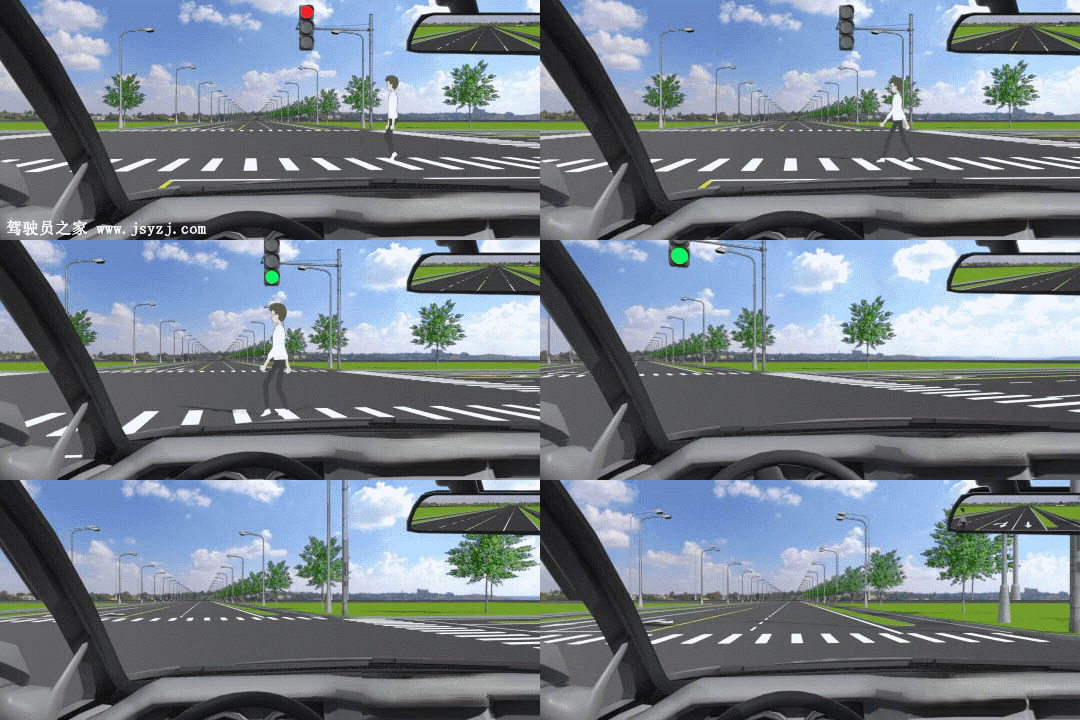
A. Right
B. Wrong
Answer:B
8、When driving in a strong wind, drivers should abruptly turn the steering wheel to return to the original direction if they feel the vehicle deviates horizontally due to a strong gale.
A. Right
B. Wrong
Answer:B
9、What should the driver do upon seeing this sign?
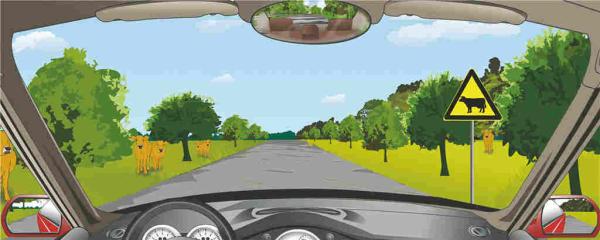
A. Slow down, look and pass slowly
B. Sound the horn to drive them away
C. Go through from the spaces between animals
D. Drive slowly and drive them away from the motor vehicle
Answer:A
10、Motor vehicles can turn right when driving into an intersection with this traffic signal.
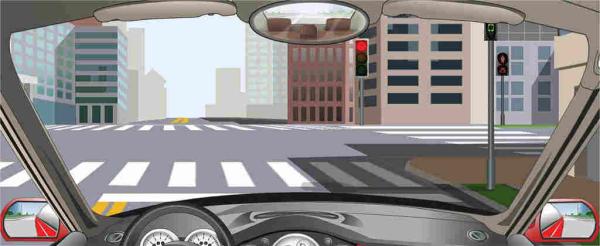
A. Right
B. Wrong
Answer:A
11、The sign in front indicates that vehicles except public buses are not allowed to drive in this lane.
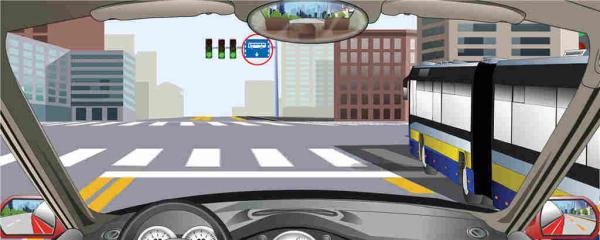
A. Right
B. Wrong
Answer:A
12、Mr. He drove his large bus with 53 passengers (permitted carrying capacity 47) to 454 km mark by 100m along the Yining-hefei Expressway in Nanjing jurisdiction, where he was tailgated by a heavy-type semitrailer tractor. The bus left the road, breaking through the guardrail and catching fire. 17 people were killed and 27 injured. Which of the following law-breaking acts did Mr. He commit?
A. Speeding
B. Exceeding the carrying capacity of the motor bus
C. Driving a motor vehicle overdue for annual inspection
D. Improper operation
Answer:B
13、Before a motor vehicle enters a tunnel, the driver should adjust the speed in accordance with the indication of the traffic sign at the entrance of the tunnel.

A. Right
B. Wrong
Answer:A
14、The sign on the right indicates that sounding the horn is prohibited here.
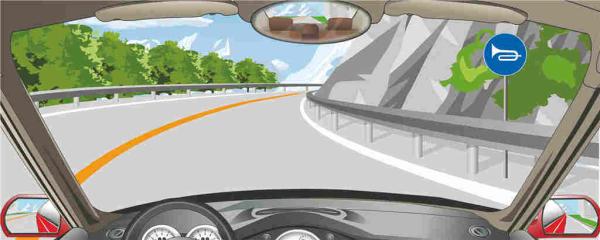
A. Right
B. Wrong
Answer:B
15、Drivers are not allowed to drive on or across these filled-in slanted yellow lines.
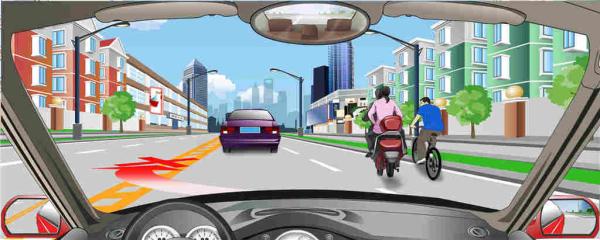
A. Right
B. Wrong
Answer:A
16、Motor vehicles are prohibited from stopping on the ramp of an expressway.
A. Right
B. Wrong
Answer:A
17、This sign warns to bypass from the right side to avoid the roadblock.
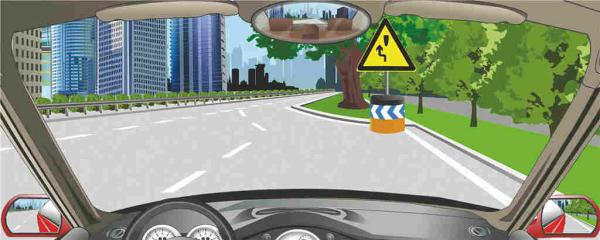
A. Right
B. Wrong
Answer:B
18、Mr. Peng drove a heavy semi-trailer tractor with 37.7 tons of cargo (capacity 25 tons). When descending a slope on the Daguang Expressway, the tractor had a rear-end collision with Mr. Li?ˉs heavy dump truck (carrying 3.17 cubes of loess and 24 passengers in the container) occupying the emergency lane. As a result of this accident, 16 people were killed and 13 injured. What are the main illegal acts in this case?
A. Mr Peng exceeded the speed limit
B. Mr. Peng?ˉs tractor carried more cargo than limited
C. Mr Li illegally drove in the emergency lane
D. Mr. Li?ˉs truck illegally carried passengers in the container
Answer:BCD
19、Drivers may turn left when traffic police give these hand signals.
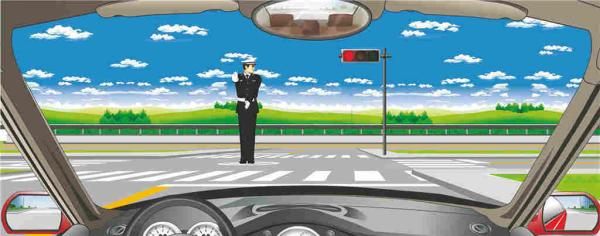
A. Right
B. Wrong
Answer:B
20、When there is a braking failure on a downhill road, what should not be done by the driver?
A. Steering the motor vehicle to the uphill direction
B. Stopping the vehicle by rubbing the vehicle body against the rocks or trees on roadside
C. Driving to the emergency lane and stop the vehicle there
D. Pulling up the stopping brake or change the gear to two positions lower
Answer:D