南阳英文科目四考试题库
1、What should the driver do when he encounters an oncoming ambulance in the same lane?
A. Keep to the side and reduce speed or stop to yield
B. Drive ahead by occupying another lane
C. Yield by speeding up and changing lanes
D. Drive ahead in the original lane
Answer:A
2、Motor vehicle drivers should rush to the top of the slope in this situation.
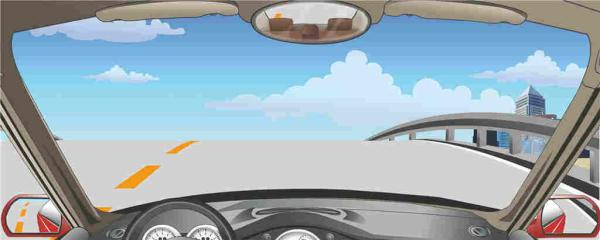
A. Right
B. Wrong
Answer:B
3、In this situation, motor vehicles are permitted to stop temporarily at bus stations.
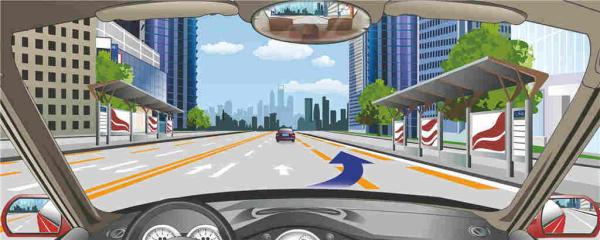
A. Right
B. Wrong
Answer:B
4、The sign on the right indicates a 200-meter distance from the gas station ahead.
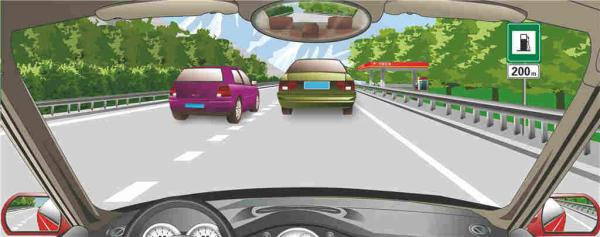
A. Right
B. Wrong
Answer:A
5、Under such circumstances, what should be done by motor vehicle drivers in order to yield to the pedestrians politely?
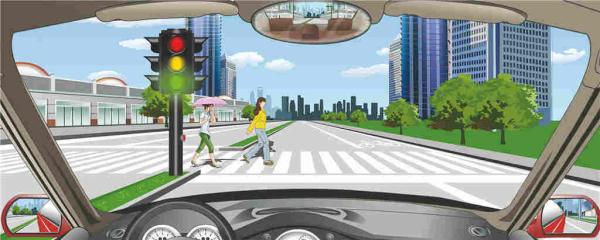
A. Set off after pedestrians pass
B. Set off and bypass in front of the pedestrians
C. Sound the horn to warn the pedestrians to yield
D. Set off and approach the pedestrians slowly
Answer:A
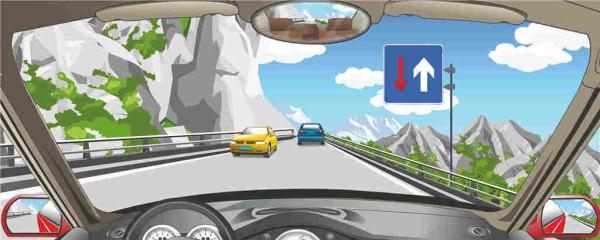
6、The sign on the right indicates that the vehicle should yield to the oncoming traffic as approaching each other.
A. Right
B. Wrong
Answer:B
7、When a motor vehicle turns at an excessively high speed, it can easily slide sideways.
A. Right
B. Wrong
Answer:A
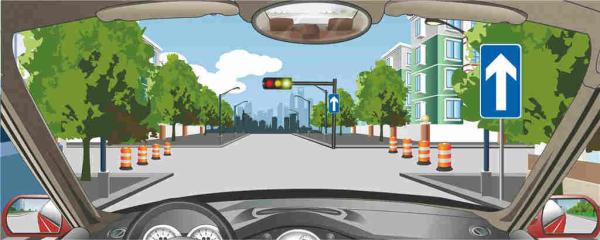
8、The sign on the right warns drivers to yield for oncoming motor vehicles.
A. Right
B. Wrong
Answer:B
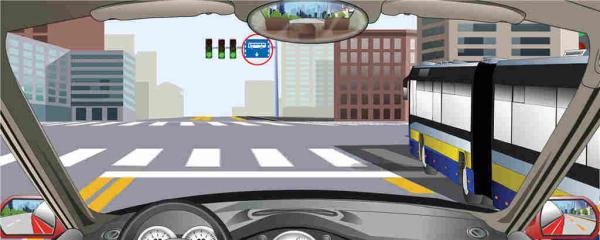
9、The sign in front indicates that vehicles except public buses are not allowed to drive in this lane.
A. Right
B. Wrong
Answer:A
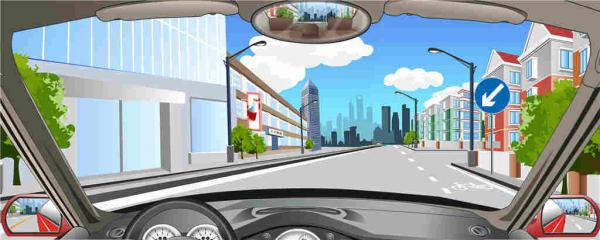
10、The sign on the right indicates that driving along left side only.
A. Right
B. Wrong
Answer:A
11、Motor vehicle drivers may reverse at an intersection.
A. Right
B. Wrong
Answer:B
12、As shown in this picture, the vehicles intending to turn left are allowed to drive into the left-turn waiting area directly to wait for the green light.
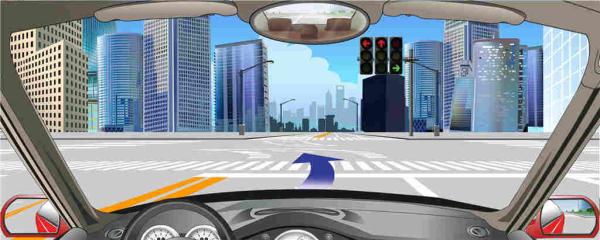
A. Right
B. Wrong
Answer:B
13、Which one of the following is a safe way for motor vehicles to pass an intersection marked with this sign?
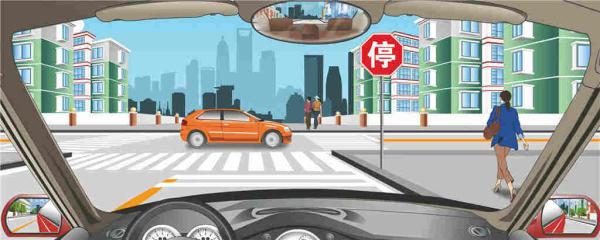
A. Stopping and observing the traffic situation around the intersection
B. Approaching the intersection by speeding up
C. Approaching the intersection at a reduced speed
D. Observing the traffic situation on the left rear side
Answer:A
14、Where is the proper parking place for breakdown motor vehicles stopping for examination?
A. In the far outer lane
B. In the inner lane
C. In the emergency lane
D. Entrance area of the ramp
Answer:C
15、The sign on the right warns of an unguarded railway intersection ahead.

A. Right
B. Wrong
Answer:B
16、When encountering a school bus which stops at the right roadside and students are embarking or disembarking, and there are two motor vehicle lanes in each direction, motor vehicle drivers on the left lane behind the bus should stop and wait.
A. Right
B. Wrong
Answer:A
17、The sign on the right warns of a winding road to the left ahead.
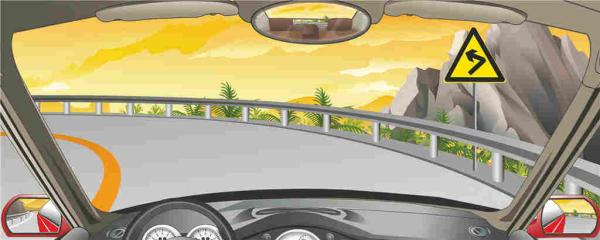
A. Right
B. Wrong
Answer:B
18、When a tire suddenly bursts on the road, in which of the following ways can motor vehicle drivers keep safe?
A. Applying emergency braking and pulling over
B. Firmly holding the steering wheel and keeping the vehicle going straight
C. Immediately releasing the accelerator pedal
D. Gently depressing the brake pedal
Answer:BCD
19、The red car is allowed to drive on this lane.
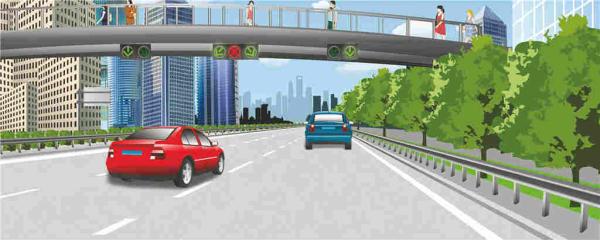
A. Right
B. Wrong
Answer:B
20、The sign in front indicates that the highway entry is on the right side of the road.
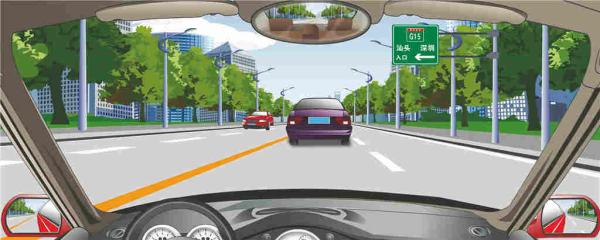
A. Right
B. Wrong
Answer:B