咸阳英语驾考科目四考试题库
1、When a wounded person suffering bone fracture in the thigh, shank or spine, moving the wounded person is usually prohibited.
A. Right
B. Wrong
Answer:A
2、What should the driver do if he encounters pedestrians in this situation at an intersection?
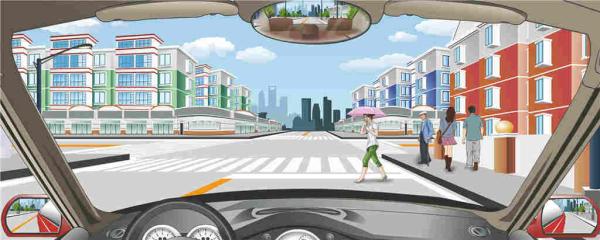
A. Slow down promptly and stop to yield
B. Sound the horn to warn the pedestrians to yield
C. Speed up and pass in front of the pedestrians
D. Turn on the headlamps to warn the pedestrians to yield
Answer:A
3、Which one of the following statements is the safest measure for a motor vehicle driver to take on this kind of road?
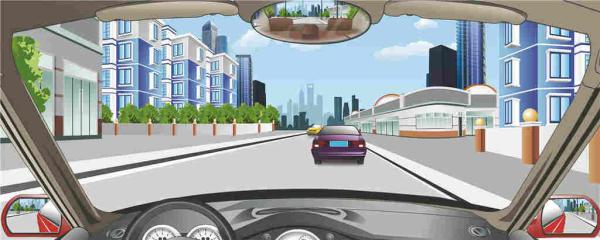
A. Accelerate to overtake the vehicle in front as soon as possible
B. Sound the horn to warn the vehicle in front to yield
C. Follow the vehicle in front and keep a certain distance
D. Overtake the vehicle in front from its righthand
Answer:C
4、The sign on the right side warns of an abrupt downhill section ahead.
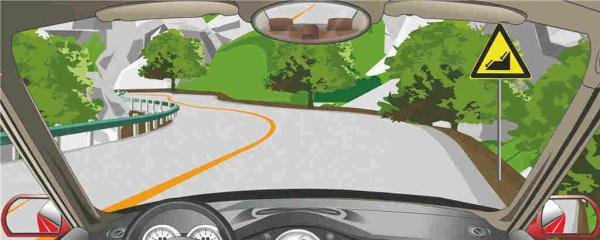
A. Right
B. Wrong
Answer:B
5、The sign on the right warns of a non-motor vehicle lane.
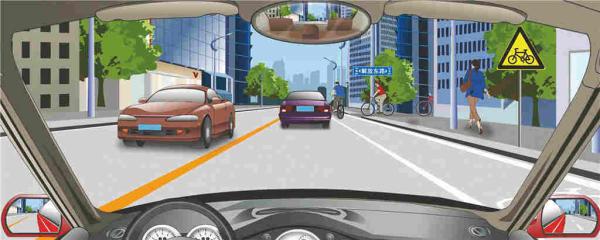
A. Right
B. Wrong
Answer:B
6、The sign on the right warns for disabled people ahead.

A. Right
B. Wrong
Answer:A
7、When the speed indicated by the speed limit sign on the highway contradicts the speed indicated for the specific lanes the speed indicated for the specific lanes should prevail.
A. Right
B. Wrong
Answer:B
8、It is not a bad habit for a driver to frequently change lanes.
A. Right
B. Wrong
Answer:B
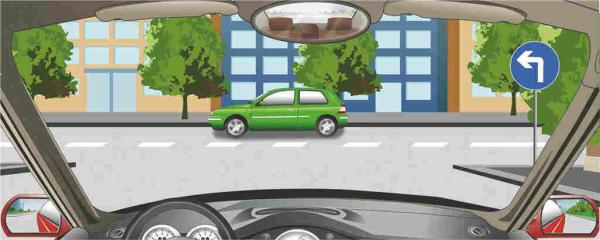
9、The sign on the right indicates left turn only at the intersection ahead.
A. Right
B. Wrong
Answer:A
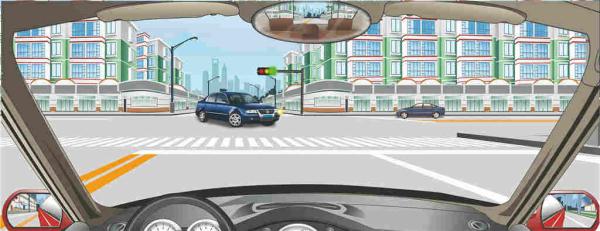
10、The driver may not yield when the motor vehicle encounters this situation at the intersection.
A. Right
B. Wrong
Answer:B
11、As shown in the flash, what should the motor vehicle driver do when encountering this situation?
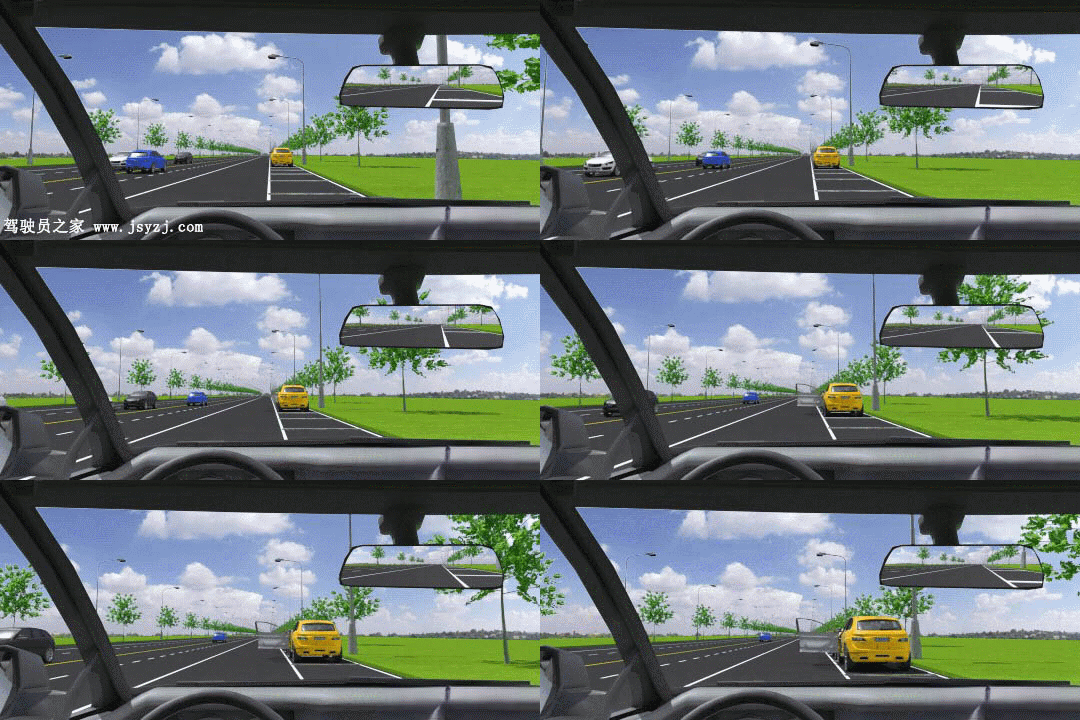
A. Reserve a safe crosswise distance and cut speed
B. Keep a normal speed
C. Use the emergency brake when approaching
D. Speed up and pass rapidly
Answer:A
12、The sign on the right warns of low-lying road ahead.

A. Right
B. Wrong
Answer:A
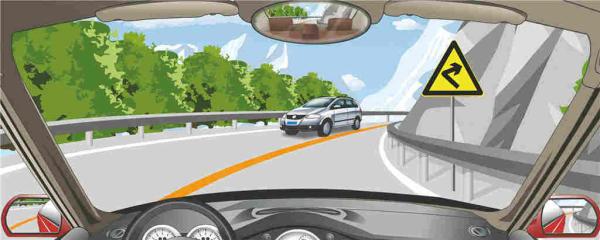
13、What should the driver do when a motor vehicle encounters this situation on a mountain road?
A. Stick to respective lanes and speed up to approach each other
B. Drive close to the central line of the road
C. Retain the normal speed
D. Slow down
Answer:D
14、As shown in the flash, when overtaking a vehicle in front, the driver should make the horizontal distance as large as possible and may cross the solid line if necessary.

A. Right
B. Wrong
Answer:B
15、How will the adhesive force of road change when speed increases on a damp and slippery road?
A. Increase sharply
B. Increase gradually
C. decrease sharply
D. No change
Answer:C
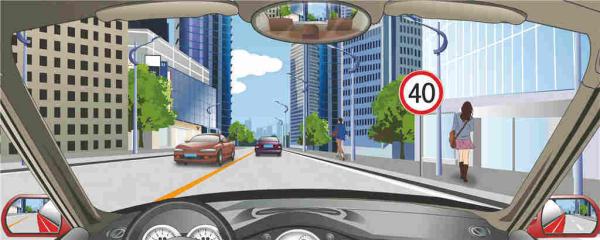
16、The sign on the right indicates that the speed limit of 40km/hour is lifted on the road ahead.
A. Right
B. Wrong
Answer:B
17、When following other vehicles on the uphill section of a mountain road, what should the driver do if the vehicle in front stops?
A. Overtake from either side of the front vehicle
B. Stop close to the vehicle in front
C. Stop with a larger space from the vehicle in front
D. Sound the horn continuously to warn the other driver
Answer:C
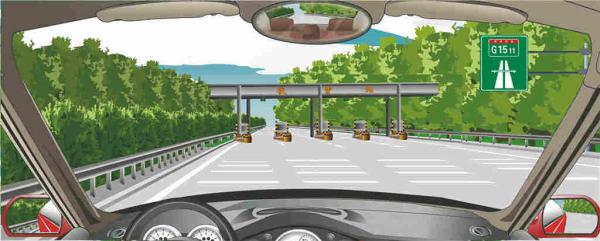
18、The sign on the right is an advance announcement of the highway destination.
A. Right
B. Wrong
Answer:B
19、If a motor vehicle breaks down or causes a traffic accident on the expressway and cannot run normally the vehicle may be towed by any accompanying motor vehicles.
A. Right
B. Wrong
Answer:B
20、The sign in front indicates a one-kilometer distance from the highway entry.

A. Right
B. Wrong
Answer:A