宁波2026年摩托车科目四英文题库345题
1、The wrong method about parking is to _______.
A. Parking on a railway crossing
B. Parking on a level crossing
C. Parking on a parking lot
D. Parking on rocky sections in Mountainous Areas
Answer:ABD
2、In which of the following ways can motor vehicles avoid a tire burst?
A. Lowering tire pressure
B. Checking tires regularly
C. Removing foreign matters from the tire tread grooves timely
D. Replacing the tires that have cracks or deep cuts
Answer:BCD
3、When a wounded person is unable to get off the vehicle by himself, he should be removed from the vehicle so as to avoid a secondary injury.
A. Right
B. Wrong
Answer:A
4、The traffic police may detain the motorcycle if its driver has falsified the license plate and vehicle license.
A. Right
B. Wrong
Answer:A
5、How should lamps be used when motor vehicle drivers pass through a two-way tunnel?
A. Turn on the hazard lamps
B. Turn on the high-beam
C. Turn on the fog lamp
D. Turn on the low-beam
Answer:D
6、The article that cannot be used to stop bleeding by dressing is _________.
A. Bondage
B. Sling
C. Tourniquet
D. Hemp rope
Answer:D
7、What is the meaning of this sign?
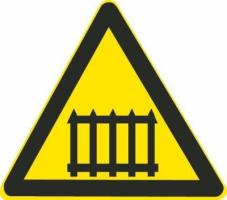
A. A manned level crossing
B. Multi-crossing of railway and road
C. Grade separation level crossing
D. An unmanned level crossing
Answer:A
8、What is the meaning of this sign?
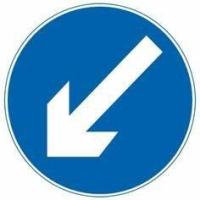
A. Stop by the left side of the road
B. Downhill section left
C. Left turn only
D. Run by the left side of the road
Answer:D
9、Which of the following is a safe way for motor vehicles to pass the intersection marked with this sign?
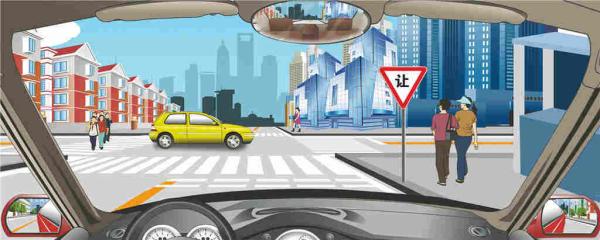
A. Stop and observe the traffic situation around the intersection
B. Approach the intersection by speeding up
C. Observe the traffic situation on the left rear side
D. Approach the intersection at a reduced speed
Answer:D
10、What is the meaning of this sign?
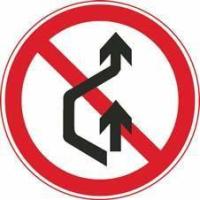
A. No borrowing lane
B. No changing lane
C. No overtaking
D. No U turn
Answer:C
11、When driving on a foggy day, the driver should turn on the fog lamp.
A. Right
B. Wrong
Answer:A
12、What is the meaning of this sign?
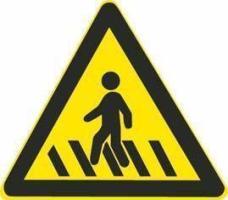
A. Speed up when the driver can not see the pedestrians
B. Speed up
C. There is a crosswalk ahead.
D. Keep driving at the same speed when you can not see the pedestrians
Answer:C
13、When a fast-moving vehicle encounters an emergency the driver should turn to evade first and then brake to slow down so as to mitigate the damage.
A. Right
B. Wrong
Answer:B
14、At the scene of a traffic accident, once there is a leakage of toxic and harmful substances, people must be evacuated at the first time and alarmed immediately.
A. Right
B. Wrong
Answer:A
15、What is the meaning of this sign?
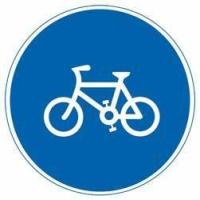
A. Electric bicycles may go
B. Parking space for non-motorized vehicles
C. Parking area for non-motorized vehicles
D. Non-motorized vehicles may go
Answer:D
16、How should the driver pass this place safely?
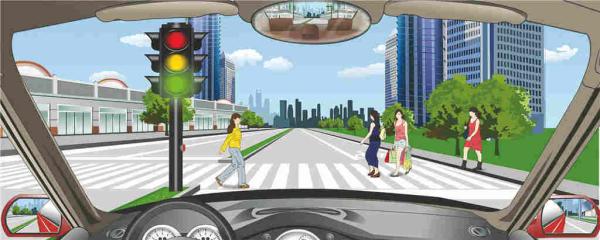
A. Speed up and pass in the front of the pedestrians
B. Bypass behind the pedestrians
C. Slow down and sound the horn
D. Stop and wait until the pedestrians pass
Answer:D
17、Which of the following is a bad habit when changing lanes?
A. Turning on the indicator in advance
B. Observing closely before changing a lane
C. Change lanes at will
D. Not obstructing the passing of other normally moving vehicles
Answer:C
18、Which lamp should be used when motor vehicles pass hrough an intersection at night where there is no traffic light signal?
A. High-beam
B. Low-beam
C. Hazard lamps
D. High-beam and low-beam should be used alternatively
Answer:D
19、When a wounded person suffering burns is thirsty, he should only drink plain boiled water.
A. Right
B. Wrong
Answer:B
20、Driving and smoking has no negative effect on safe driving
A. Right
B. Wrong
Answer:B