抚州摩托车科目四考试英文
1、When driving a motor vehicle crosses each other on a hump bridge, what should the driver do?
A. Rush to pass
B. Reduce speed
C. Honk to indicate the vehicle
D. Go on the right side
Answer:BCD
2、When the driver discovers that steering is stiff, the wrong measure is to ___________.
A. Reduce speed and stop the vehicle as fast as possible
B. Stop at a safe place
C. Continue to drive
D. Identify the cause
Answer:C
3、Keep enough safe distance When a motor vehicle follows another vehicle, because ______.
A. Avoke a rear-end collision
B. The closer you get to the vehicle, the less easy it is to grasp the situation ahead of the vehicle.
C. Enough distance to avoid emergencies
D. Prevent being unable to detect the front vehicle brake in time due to the damage rear lamp of the front vehicle
Answer:ABCD
4、When a motorcycle goes downhill on a mountain road, it is not allowed to overtake.
A. Right
B. Wrong
Answer:A
5、What is the meaning of this sign?
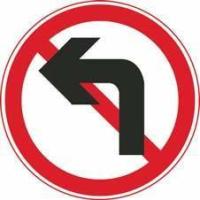
A. No U turn
B. No changing to left lane
C. No turning left
D. No entering the left lane
Answer:C
6、When a motor vehicle reaches a muddy or burst-and-muddy section of the road, the driver should stop, observe and select a level and solid section or a section with vehicle tracks.
A. Right
B. Wrong
Answer:A
7、When a motorcycle turns at an excessively high speed, it can easily dash out of a curve or skid sideways.
A. Right
B. Wrong
Answer:A
8、In which of the following ways can motor vehicles avoid a tire burst?
A. Lowering tire pressure
B. Checking tires regularly
C. Removing foreign matters from the tire tread grooves timely
D. Replacing the tires that have cracks or deep cuts
Answer:BCD
9、What is the meaning of this sign?
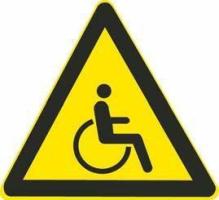
A. Exit and entry for disabled people
B. Watch for disabled people
C. Rest area for disabled people
D. Special passage for disabled people
Answer:B
10、How should lamps be used when motor vehicle drivers pass through a two-way tunnel?
A. Turn on the hazard lamps
B. Turn on the high-beam
C. Turn on the fog lamp
D. Turn on the low-beam
Answer:D
11、When approaching a sharp curve, motor vehicle drivers should reduce speed only after entering the curve.
A. Right
B. Wrong
Answer:B
12、What is the meaning of this sign?
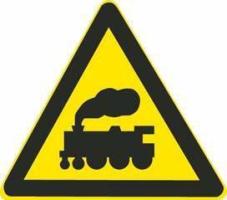
A. Watch for long time honking
B. An unmanned level crossing
C. A manned level crossing
D. Multi-crossing of railway and road
Answer:B
13、What is the meaning of this sign?
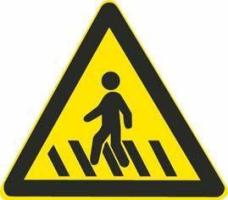
A. Watch for pedestrians
B. Watch for children
C. School area
D. Crosswalk
Answer:A
14、What influence does smoking have upon driving?
A. Harmful for safe driving
B. Increase concentration
C. Help relaxation
D. No effect on driving
Answer:A
15、When an erosive material catches fire, it should not be put out with water cannon.
A. Right
B. Wrong
Answer:A
16、When driving on a foggy day, the driver should turn on the fog lamp.
A. Right
B. Wrong
Answer:A
17、What should motor vehicle drivers do when approaching an oncoming vehicle on a frozen road?
A. Cut speed as approaching each other
B. Pass each other by speeding up properly
C. Pass each other slowly by cutting speed in advance
D. Pass each other along the central line to the best
Answer:C
18、What is the meaning of this sign?
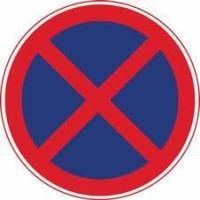
A. Stopping temporarily is allowed
B. Long stopping is allowed
C. No long stopping
D. No stopping
Answer:D
19、What are the main reason for slow driving of motorized vehicles on rainy days?
A. Braking distance will increase
B. The driver?ˉs view islimited
C. Emergency braking can easily cause side skidding
D. Fast driving increases fuel consumption
Answer:ABC
20、Once inflammable gas causes a fire disaster, it should be put out with water in good time.
A. Right
B. Wrong
Answer:B