泉州摩托车科目四考试英文
1、What is the meaning of this sign?

A. Bump road
B. High outburst road
C. Low-lying road
D. Hump bridge
Answer:B
2、Drivers who ride motorcycles are able to not wear safety helmets.
A. Right
B. Wrong
Answer:B
3、It is illegal to change lanes without turning on indicators.
A. Right
B. Wrong
Answer:A
4、After a traffic accident, what is the most effective measure to prevent secondary accidents?
A. Evacuate all passengers
B. Turn on the hazard lamps
C. Mark the original place of the injured persons
D. Properly place the danger warning sign
Answer:ABD
5、Which is the wrong measure to avoid tire burst?
A. Reduce tire pressure
B. Check tires regularly
C. Remove foreign matters from the tire tread grooves timely
D. Replace tires that have cracks or deep cuts
Answer:A
6、Which of the following method is correct to rescue an unconscious person?
A. Apply cardio-pulmonaryresuscitation immediately
B. Press the philtrum of the wounded person with force
C. Continuously slap the face of the wounded person
D. Check the breath of the wounded person before other emergency treatments
Answer:D
7、At a road that has more than two vehicle lanes in the same direction, the motorcycles should use the very left one.
A. Right
B. Wrong
Answer:B
8、When there is no bondage for rescuing a wounded person, towels, handkerchiefs, bed sheets and stockings can be used for dressing.
A. Right
B. Wrong
Answer:A
9、The drivers, loaders and supercargoes responsible for dangerous chemicals transportation should all full understand the chemical characteristics, potential risks, features of the packaging containers and emergency measures for any unexpected accidents.
A. Right
B. Wrong
Answer:A
10、When using splints, sticks or tree branches to keep the unexposed bones in position, it is necessary that these things should exceed the upper and lower joints of the wound.
A. Right
B. Wrong
Answer:A
11、What is the meaning of this sign?

A. Reducing speed 40m ahead
B. Minimum speed is 40km/hr
C. Axle weight limit is 40 tons
D. Maximum speed limit is 40km/hr
Answer:D
12、The wrong measure to use the brake of a motorcycle is to __________.
A. Simultaneously use the front and back brakes
B. Use the front brake first
C. Use the back brake first
D. Avoid using the front brake too early
Answer:B
13、when passing an intersection without traffic lights, the driver finds people are crossing the street, the wrong measure for the driver to take is to __________.
A. Reduce speed or stop and yield
B. Honk to urge the pedestrians
C. Bypass
D. Weave through the pedestrians
Answer:BCD
14、The wrong method about parking is to _______.
A. Parking on a railway crossing
B. Parking on a level crossing
C. Parking on a parking lot
D. Parking on rocky sections in Mountainous Areas
Answer:ABD
15、What is the meaning of this sign?
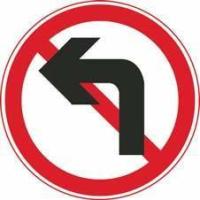
A. No U turn
B. No changing to left lane
C. No turning left
D. No entering the left lane
Answer:C
16、When a wounded person suffering bone fracture in the thigh, shank and spine, it is necessary to keep the fracture in position and refrain to move the wounded person.
A. Right
B. Wrong
Answer:A
17、The wrong measure to ride a motorcycle in summer is to __________.
A. Drive at a high speed for a long time
B. Control the speed by the accelerator
C. Avoid using the brake
D. Avoid loading people or cargoes
Answer:A
18、What should the driver do when he/she sees this sign on the road?
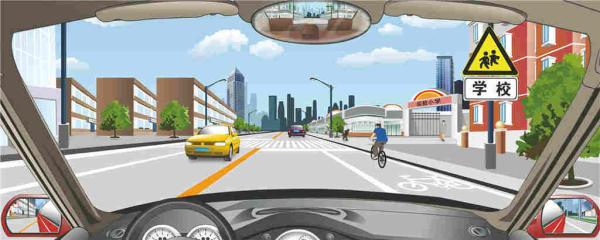
A. Use emergency braking
B. Slow down and take a look
C. Sound the horn intermittently
D. Prepare to bypass
Answer:B
19、It is unsafe to ride a motorcycle by high-heel shoes.
A. Right
B. Wrong
Answer:A
20、What is the meaning of this sign?
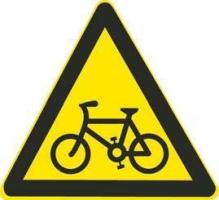
A. The lane for non-motorized vehicles
B. Yield non-motorized vehicles
C. No passing for non-motorized vehicles
D. Watch for non-motorized vehicles
Answer:D