兴安科目四英文题
1、When rescuing a wounded person suffering blood loss in an emergency, it is necessary to first stop the bleeding by compression before other treatments are taken in accordance with the conditions of bleeding.
A. Right
B. Wrong
Answer:A
2、When a motor vehicle moves through water, drivers should intermittently and gently depress the brake pedal in order to restore braking efficiency.
A. Right
B. Wrong
Answer:A
3、When encountering such pedestrians while driving, a longer safety distance should be kept by drivers.
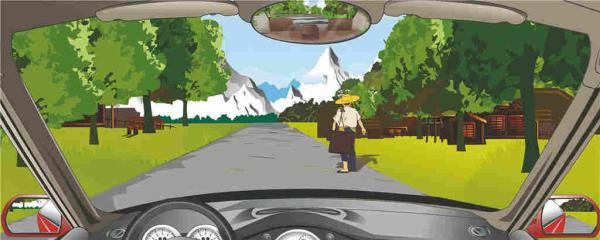
A. Right
B. Wrong
Answer:A
4、Motor vehicle drivers don?ˉt need to use any lamp at night when passing through a road section where the street light condition is good.
A. Right
B. Wrong
Answer:B
5、When driving on a road covered with ice and snow drivers should not use the emergency brake but can apply a sharp turn.
A. Right
B. Wrong
Answer:B
6、If a motor vehicle breaks down or causes a traffic accident on the expressway and cannot run normally the vehicle may be towed by any accompanying motor vehicles.
A. Right
B. Wrong
Answer:B
7、When braking, side skid or tail swing may occur if the rear wheels are blocked.
A. Right
B. Wrong
Answer:A
8、When a motor vehicle turns left at this intersection the driver should change to the left lane in advance by the guide arrow.
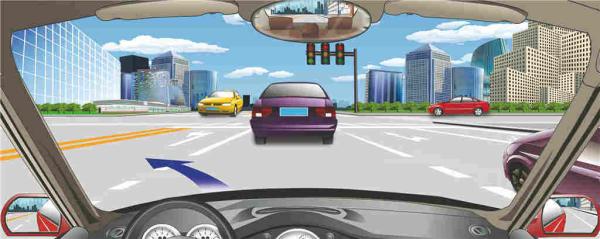
A. Right
B. Wrong
Answer:A
9、Which of the following is an inflammable solid material?
A. Matches
B. Gun powder
C. Calcium carbide
D. Explosives
Answer:A
10、The sign on the right indicates that overtaking is allowed on the section ahead.
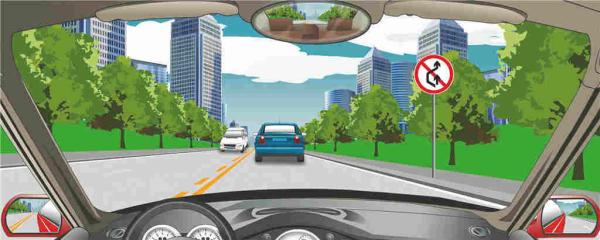
A. Right
B. Wrong
Answer:B
11、The area in the yellow rectangle markings on the right side of the road indicates that temporary stopping is permitted here.
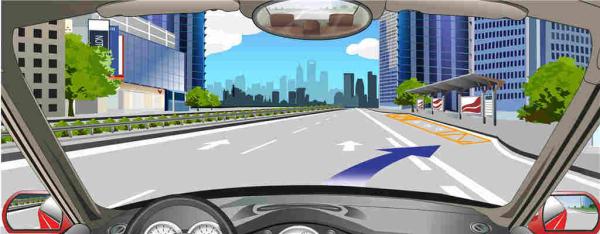
A. Right
B. Wrong
Answer:B
12、vehicles may stop temporarily in this area.
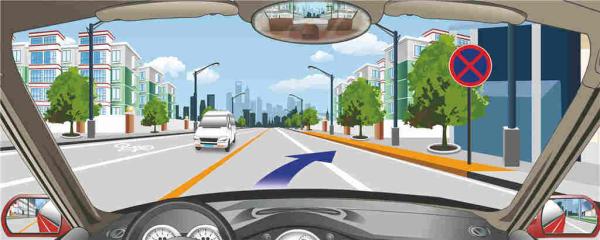
A. Right
B. Wrong
Answer:B
13、When a motor vehicle equipped with ABS makes an emergency brake, the driver can tread the brake pedal heavily.
A. Right
B. Wrong
Answer:A
14、When encountering this situation at the gate of a school, the driver should prepare to stop.
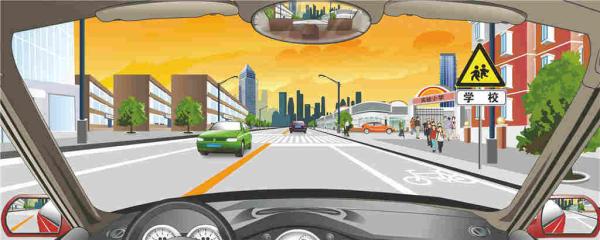
A. Right
B. Wrong
Answer:A
15、When reversing in this condition, in which of the following ways can motor vehicle drivers keep safe?

A. Reverse at a lower speed
B. Voluntarily stop and yield
C. Continuously sound the horn to alert
D. Reverse in a clockwise direction
Answer:B
16、How many kinds of law-breaking acts are displayed in flash 5?
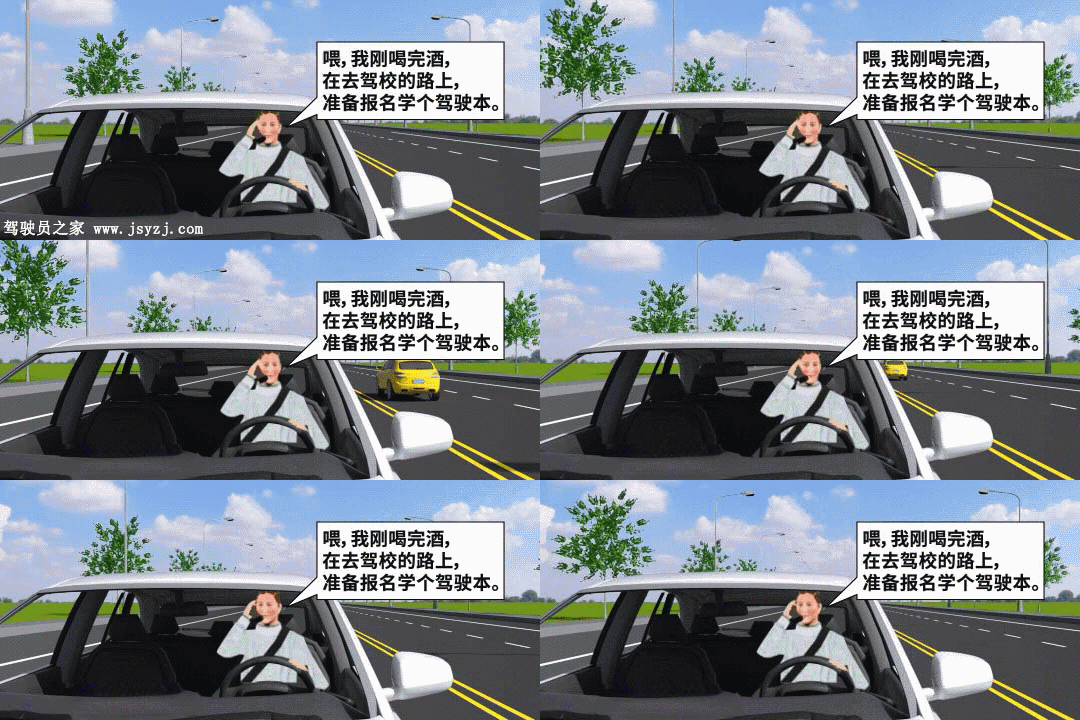
A. One
B. Two
C. Three
D. Four
Answer:C
17、Drivers may turn left when traffic police give these hand signals.
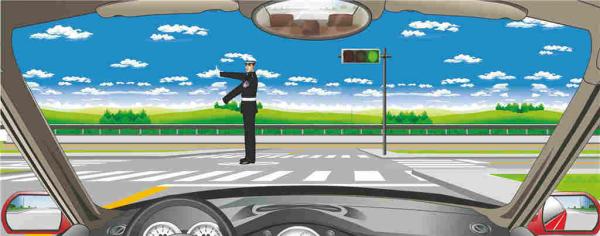
A. Right
B. Wrong
Answer:A
18、The sign on the right warns of a widened right-hand road ahead.
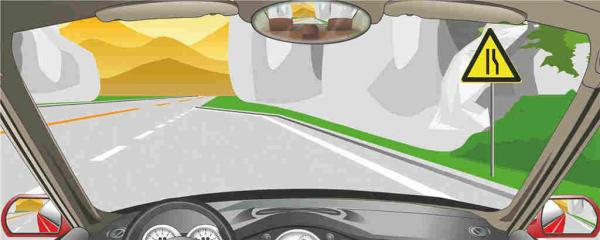
A. Right
B. Wrong
Answer:B
19、Under such circumstances at an intersection. what should motor vehicle drivers do?
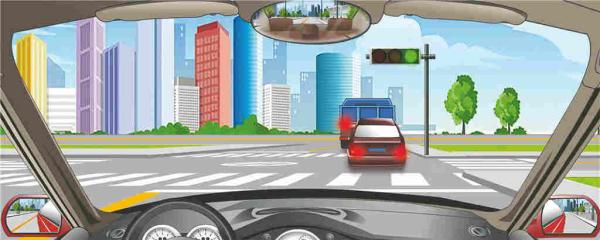
A. Drive into the intersection and wait
B. Wait in front of the intersection stop-line
C. Pass through in the right non-motor vehicle lane
D. Pass through the intersection by borrowing the opposite lane
Answer:B
20、Drivers may cross these central solid and broken yellow lines when overtaking.
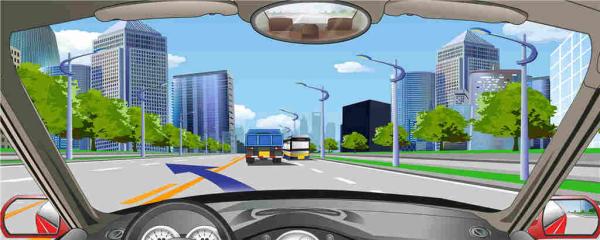
A. Right
B. Wrong
Answer:B