张家界英语驾考科目四
1、The sign on the right warns of right-hand S-shaped bend ahead.
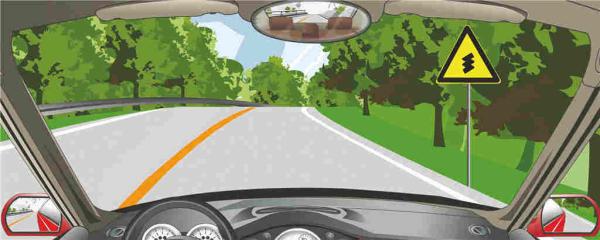
A. Right
B. Wrong
Answer:B
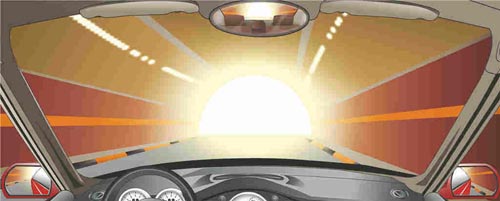
2、What should the driver do in this condition?

A. Go through normally on the right side
B. Sound the horn and speed up to go through the tunnel
C. Stop and yield to the oncoming vehicle
D. Turn on the headlamp to warn the oncoming vehicle to yield
Answer:C
3、For evading an emergency on an expressway, which of the following principles should drivers stick to?
A. Evading vehicles first and objects later
B. Evading people first and objects later
C. Evading vehicles first and people later
D. Evading objects first and people later
Answer:B
4、The motor vehicle should slow down and pass slowly in this situation.
A. Right
B. Wrong
Answer:A
5、Under such circumstances, motor vehicle drivers should bypass on the left quickly.

A. Right
B. Wrong
Answer:B
6、Under such circumstances, what should be done by the motor vehicle driver who has been overtaken?
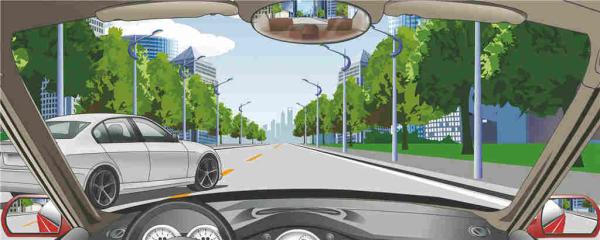
A. Sounding the horn to warn the vehicle that overtook
B. Reducing speed or pulling over by the right side
C. Protesting by turning on the high-beam
D. Catching up with and overtaking the vehicle that overtook, and offering admonitions
Answer:B
7、This road marker indicates that the minimum speed for this road section is 60 km/hour.
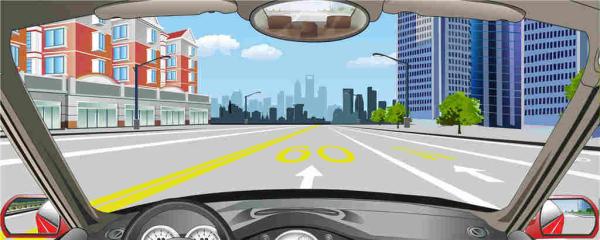
A. Right
B. Wrong
Answer:B
8、When a motor vehicle encounters this situation at a crosswalk, the driver must slow down and pass slowly.
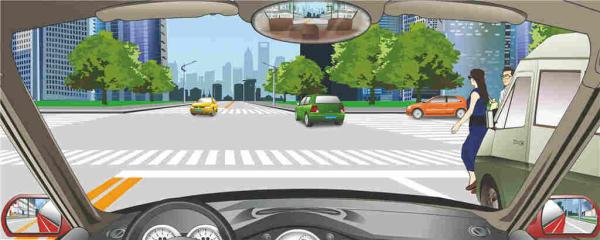
A. Right
B. Wrong
Answer:B
9、When braking, side skid or tail swing may occur if the rear wheels are blocked.
A. Right
B. Wrong
Answer:A
10、The guide arrow on the road surface of this lane indicates that U-turns and left turns are permitted at the intersection ahead.

A. Right
B. Wrong
Answer:A
11、What should be done by the driver who intends to overtake but finds that the vehicle in front is also overtaking?
A. Following the vehicle in front closely and finding a chance to overtake it
B. Accelerating to overtake forcefully
C. Continuously sounding the horn to urge the vehicle in front to yield
D. Refraining from overtaking and letting the vehicle in front overtake first
Answer:D
12、When encountering such a situation, the motor vehicle driver should change to the left lane rapidly.
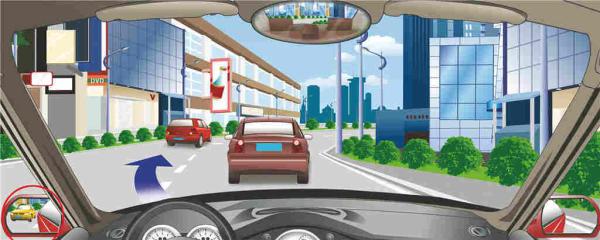
A. Right
B. Wrong
Answer:B
13、The sign in front indicates a one-way lane after turning right.
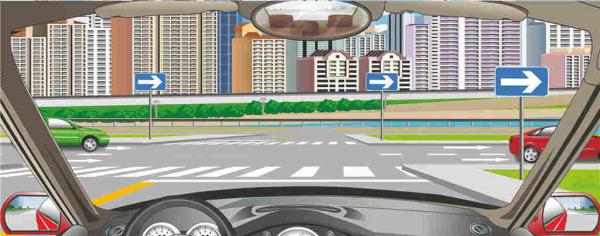
A. Right
B. Wrong
Answer:A
14、Motor vehicle drivers are allowed to overtake as long as there are no oncoming vehicles.
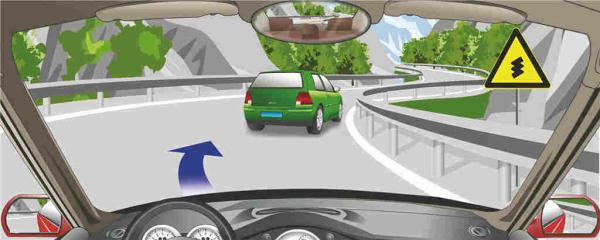
A. Right
B. Wrong
Answer:B
15、When reversing in this condition, in which of the following ways can motor vehicle drivers keep safe?

A. Reverse at a lower speed
B. Voluntarily stop and yield
C. Continuously sound the horn to alert
D. Reverse in a clockwise direction
Answer:B
16、Unless stopping due to obstacles or vehicle breakdown on an expressway, motor vehicles are not allowed to stop to pick up or drop off people or load and unload cargo.
A. Right
B. Wrong
Answer:A
17、Drivers may temporarily cross these central broken and solid yellow lines when overtaking.
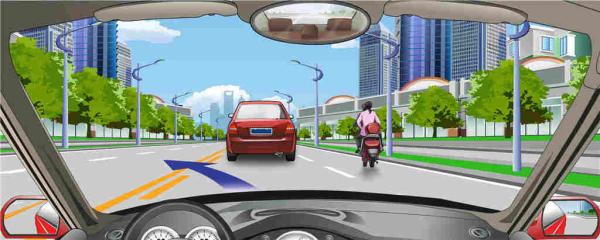
A. Right
B. Wrong
Answer:A
18、The sign in front is an advance announcement of the directions led by the interchange.
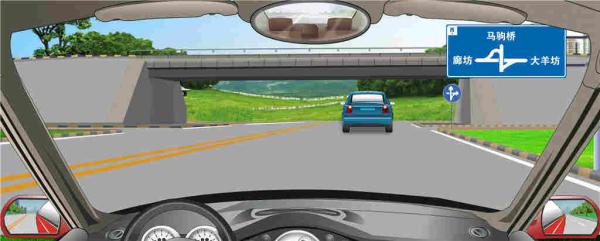
A. Right
B. Wrong
Answer:A
19、When a motor vehicle passes over an inundated road, what should the driver do for safe driving?
A. Slow down and drive with special care
B. Speed up and pass rapidly
C. Maintain a normal speed and pass through
D. Change to a low gear and speed up to pass
Answer:A
20、The sign on the right warns of a non-motor vehicle lane.
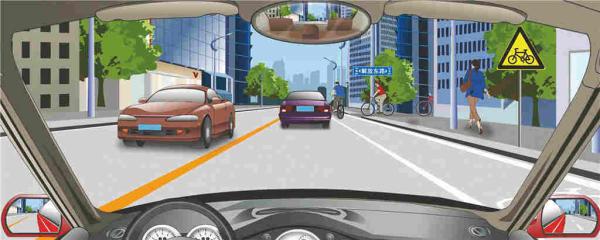
A. Right
B. Wrong
Answer:B