邯郸英文驾考科目四
1、After a motor vehicle falls into water, the driver should immediately close the windows to prevent water from flowing into the compartment and to keep the air from flowing out. At the same time, he/she should make calls to tell the rescue personnel the place of the accident and wait for their arrival.
A. Right
B. Wrong
Answer:B
2、Under such circumstances, what should be done by motor vehicle drivers in order to yield to the pedestrians politely?
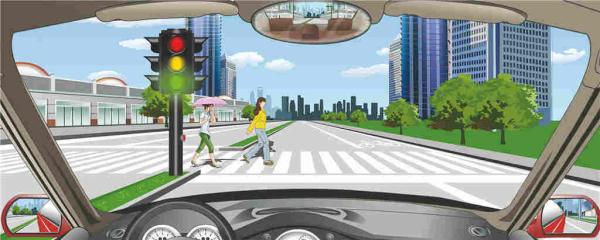
A. Set off after pedestrians pass
B. Set off and bypass in front of the pedestrians
C. Sound the horn to warn the pedestrians to yield
D. Set off and approach the pedestrians slowly
Answer:A
3、The sign in front indicates a one-kilometer distance from the next left exit.
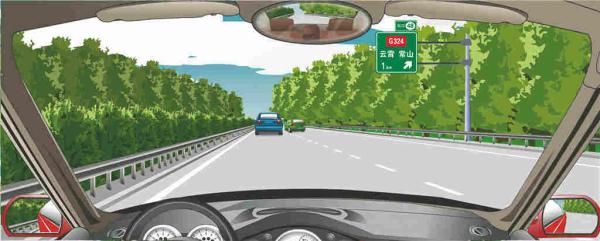
A. Right
B. Wrong
Answer:B
4、The road marking on the right lane indicates that drivers may temporarily borrow the special lane for buses.
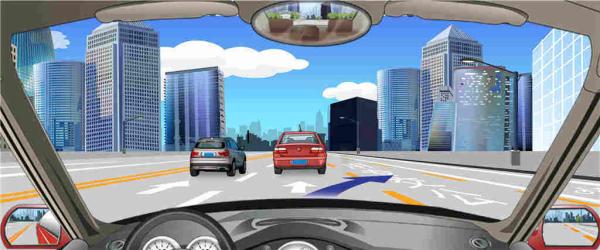
A. Right
B. Wrong
Answer:B
5、How many kinds of law-breaking acts are displayed in flash 2?
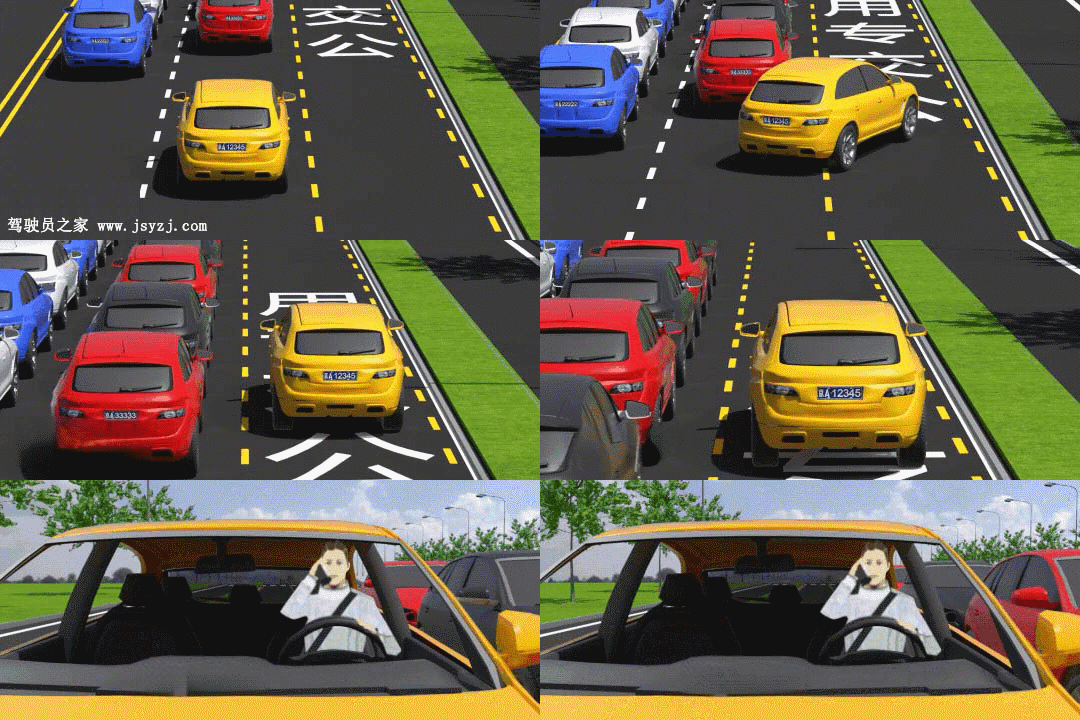
A. One
B. Two
C. Three
D. Four
Answer:B
6、The sign on the right warns of a guarded railway intersection ahead.
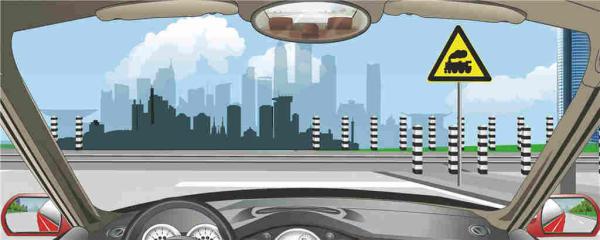
A. Right
B. Wrong
Answer:B
7、This sign warns of an intersection of railways and highways ahead.
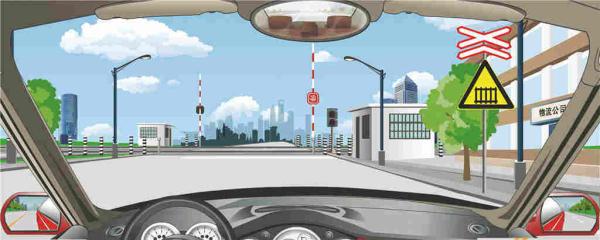
A. Right
B. Wrong
Answer:A
8、The sign in front indicates that the highway entry is on the right side of the road.
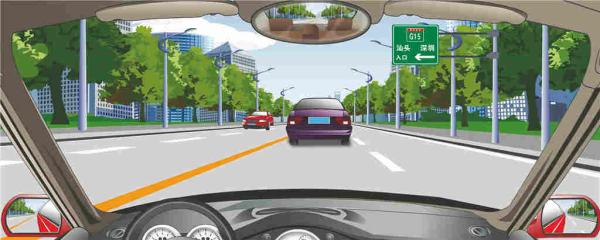
A. Right
B. Wrong
Answer:B
9、The sign on the right warns of low-lying road ahead.

A. Right
B. Wrong
Answer:A
10、When extinguishing a fire, the driver should refrain from breathing through mouth or crying loudly Otherwise, the fire and smoke will scorch the upper respiratory tract.
A. Right
B. Wrong
Answer:A
11、The sign on the right indicates that the number of the lanes ahead will increase.
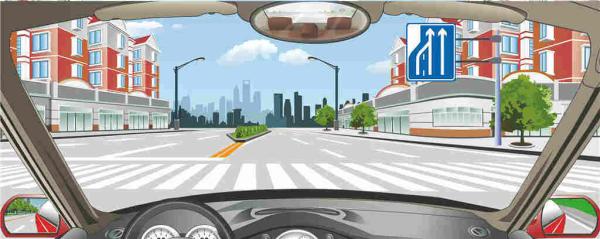
A. Right
B. Wrong
Answer:B
12、The sign in front indicates the name and number of the highway.
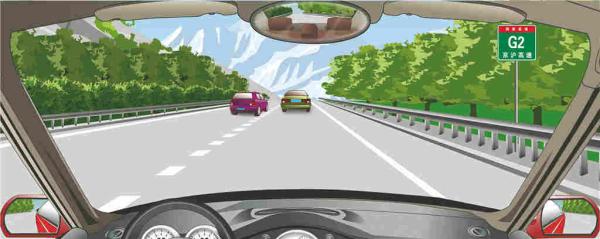
A. Right
B. Wrong
Answer:A
13、Which of the following is a bad habit when changing lanes?
A. Turning on the indicator in advance
B. Observing closely before changing a lane
C. Change lanes at will
D. Not obstructing the passing of other normally moving vehicles
Answer:C
14、Under such circumstances, what should motor vehicle drivers do?
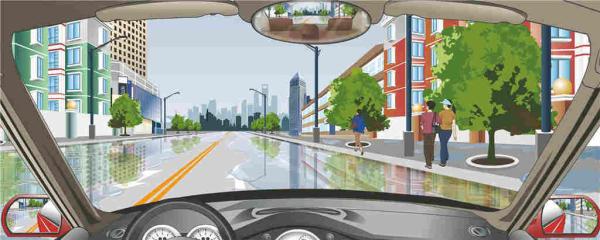
A. Pass slowly at a lower speed
B. Speed up and pass
C. Continuously sound the horn and pass
D. Pass at a normal speed
Answer:A
15、The guide arrow on the road surface of this lane indicates that drivers are only permitted to continue straight at the intersection ahead.
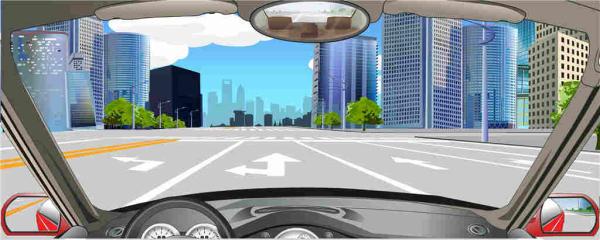
A. Right
B. Wrong
Answer:B
16、During normal driving, the driver should do his best to run close to or on the central line so as not to allow oncoming vehicles any opportunity to occupy his own route.
A. Right
B. Wrong
Answer:B
17、When a motor vehicle breaks down on an expressway and cannot be moved away from the driving lane, the driver may conduct emergency repairs on the driving lane.
A. Right
B. Wrong
Answer:B
18、At 3: 40 a.m. one day, Mr. Sun drove a large bus with 54 passengers(capacity 55 people). At the spot of 229 kilometers mark by 300 meters on Suiyue Expressway, the bus had a rear-end collision with a heavy semi-trailer driven by Mr. Li when passengers were getting off from the bus. As a result of the accident, 26 people were killed and 29 injured. According to the investigation afterwards, Mr. Li had been driving the bus since he left the place of departure at 6 p.m. the day before without any rest. What are the main illegal acts of the two drivers?
A. Mr. Sun illegally parked
B. Mr. Sun carried more passengers than permitted
C. Mr. Li exceeded speed limit
D. Mr. Li kept driving when tired
Answer:AD
19、Drivers needn?ˉt yield to pedestrians who display such behavior.
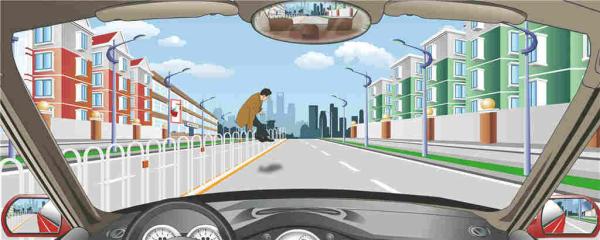
A. Right
B. Wrong
Answer:B
20、When driving a vehicle equipped with power steering what should the driver do upon finding that steering is difficult?
A. Stop and identify the cause
B. Control the steering and drive slowly
C. Drive at a lower speed
D. Keep the vehicle going straight
Answer:A