宁波驾考科四英语模拟试题
1、When a bicycle borrows the motor vehicle lane, the motor vehicle may sound the horn hurriedly to warn the bicycle to yield.
A. Right
B. Wrong
Answer:B
2、When driving on a long downhill road, which is the best way to control driving speed?
A. Coast in neutral gear
B. Depress the clutch and coast
C. Use the engine to brake
D. Depress the brake pedal continuously
Answer:C
3、In this driving condition, drivers should turn on the high-beam when setting off.
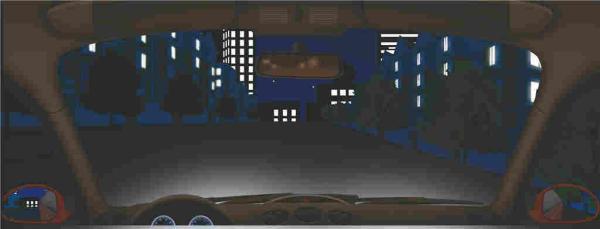
A. Right
B. Wrong
Answer:B
4、When such circumstances happen suddenly, drivers should reduce speed in a timely fashion or stop to yield.
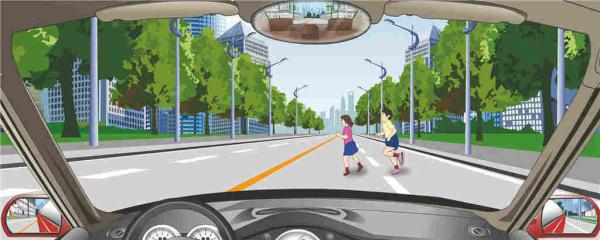
A. Right
B. Wrong
Answer:A
5、Drivers may go straight and pass through when traffic police give these hand signals.
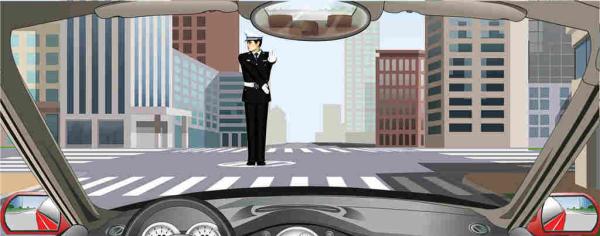
A. Right
B. Wrong
Answer:B
6、When evading an emergency, except for being calm, what principle should be held by drivers?
A. Evading people first and then objects
B. Evading objects first and then vehicles
C. Evading vehicles first and then people
D. Evading objects first and then people
Answer:A
7、When a wounded person suffering burns is thirsty, he should only drink plain boiled water.
A. Right
B. Wrong
Answer:B
8、Motor vehicles are not allowed to reverse in a tunnel.
A. Right
B. Wrong
Answer:A
9、The crosswalk of the intersection warns that pedestrians have priority.

A. Right
B. Wrong
Answer:A
10、The sign in front gives information about the direction of road exits.
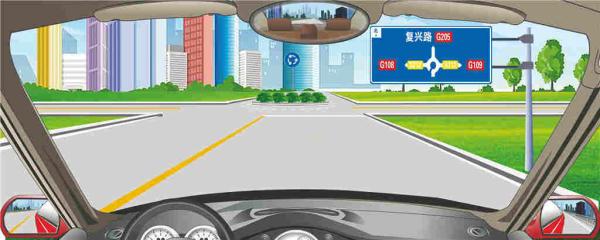
A. Right
B. Wrong
Answer:A
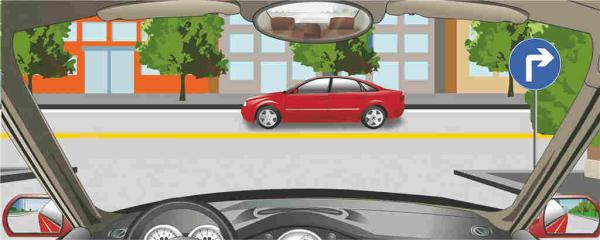
11、The sign on the right indicates right-hand turn only.
A. Right
B. Wrong
Answer:A
12、When a motor vehicle breaks down and cannot be moved away from the expressway, the driver and all passengers should stay in the vehicle and wait for the rescue personnel.
A. Right
B. Wrong
Answer:B
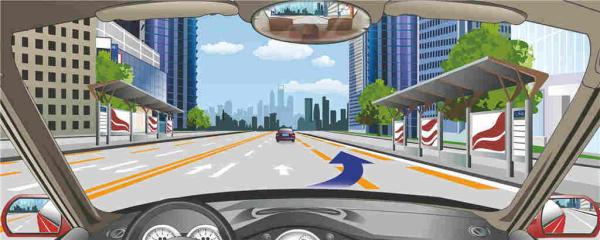
13、In this situation, motor vehicles are permitted to stop temporarily at bus stations.
A. Right
B. Wrong
Answer:B
14、The sign on the left indicates no U-turn at the intersection ahead.

A. Right
B. Wrong
Answer:A
15、When there is a braking failure on a downhill road, the driver should immediately try to find and drive to an emergency lane; after stopping the vehicle on the emergency lane, the driver should pull up the stopping brake so as to prevent a second danger arising from the vehicle sliding.
A. Right
B. Wrong
Answer:A
16、When there is no bandage for rescuing a wounded person, which of the following measures is wrong?
A. Dress the wounds with a handkerchief
B. Dress the wounds with a towel
C. Dress the wounds with cotton clothes
D. Dress the wounds with string
Answer:D
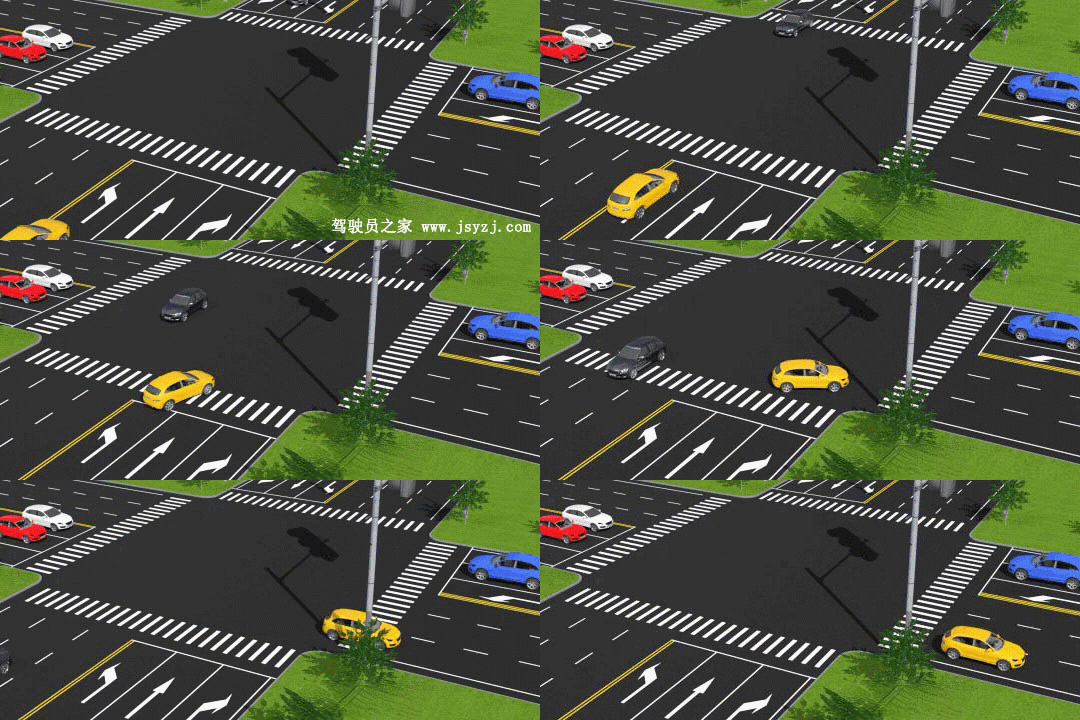
17、As shown in the flash, the actions of the driver are correct.
A. Right
B. Wrong
Answer:B
18、When driving on a foggy day, the driver should turn on the fog lamp.
A. Right
B. Wrong
Answer:A
19、If a motor vehicle misses an exit on the expressway, the driver may reverse along the road shoulder.
A. Right
B. Wrong
Answer:B
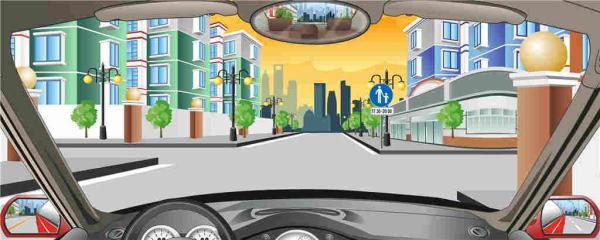
20、The right-front sign indicates a time-regulated pedestrian area.
A. Right
B. Wrong
Answer:A